
Losing a tooth can affect more than your smile. It may change how you chew, cause nearby teeth to shift, and contribute to jawbone loss over time. If you have been putting off replacing a missing tooth, dental implants may be worth discussing with your dentist. They are designed to replace missing teeth with a stable, natural-looking solution that can restore everyday function. At 73 Smiles in Geismar, discussing your tooth replacement options can help you understand whether implants are appropriate for your oral health, lifestyle, and long-term needs.
What Happens When You Leave a Missing Tooth Unreplaced?
It is easy to delay treatment when a missing tooth does not cause pain. However, the space left behind can lead to changes in your mouth that may become more difficult to manage over time.
Nearby teeth may shift. Teeth naturally help maintain one another’s position. When a tooth is missing, neighboring teeth can gradually move into the empty space, potentially affecting your bite and making oral hygiene more challenging.
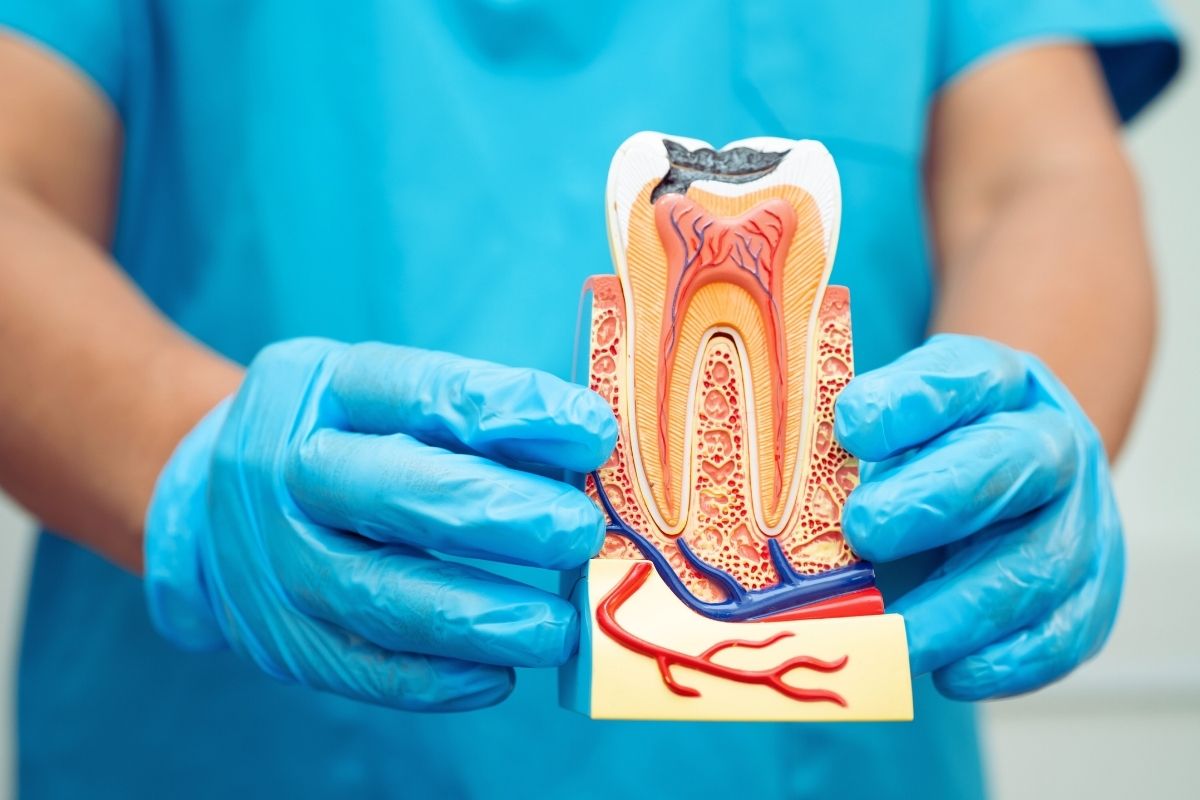
Your jawbone may lose volume. Tooth roots stimulate the jawbone during chewing. After a tooth is lost, that stimulation decreases in the affected area, which can contribute to bone loss over time.
Chewing may become less comfortable. Depending on the location of the missing tooth, you may begin favoring one side of your mouth or avoiding certain foods. This can affect your eating habits and daily comfort.
Replacing a missing tooth is not always an emergency, but an evaluation can help you understand what may happen if you wait and which options make sense for your situation.
How Dental Implants Replace Missing Teeth
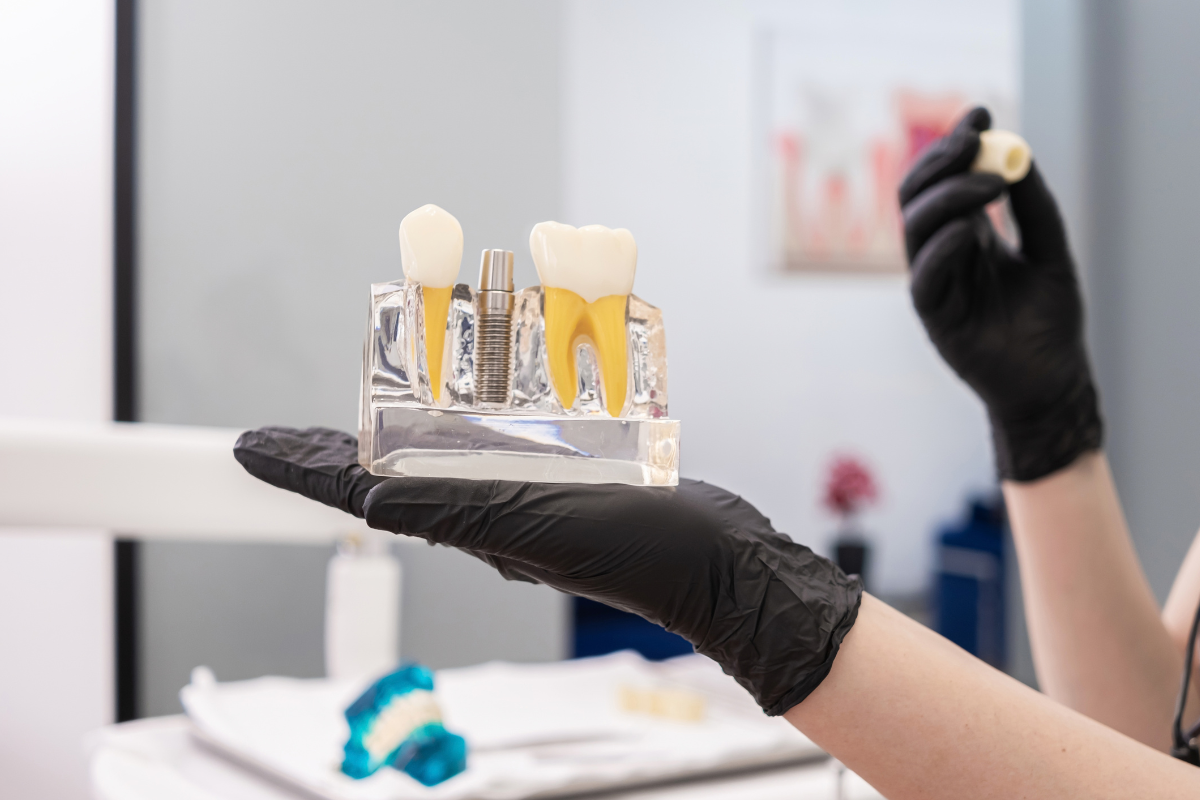
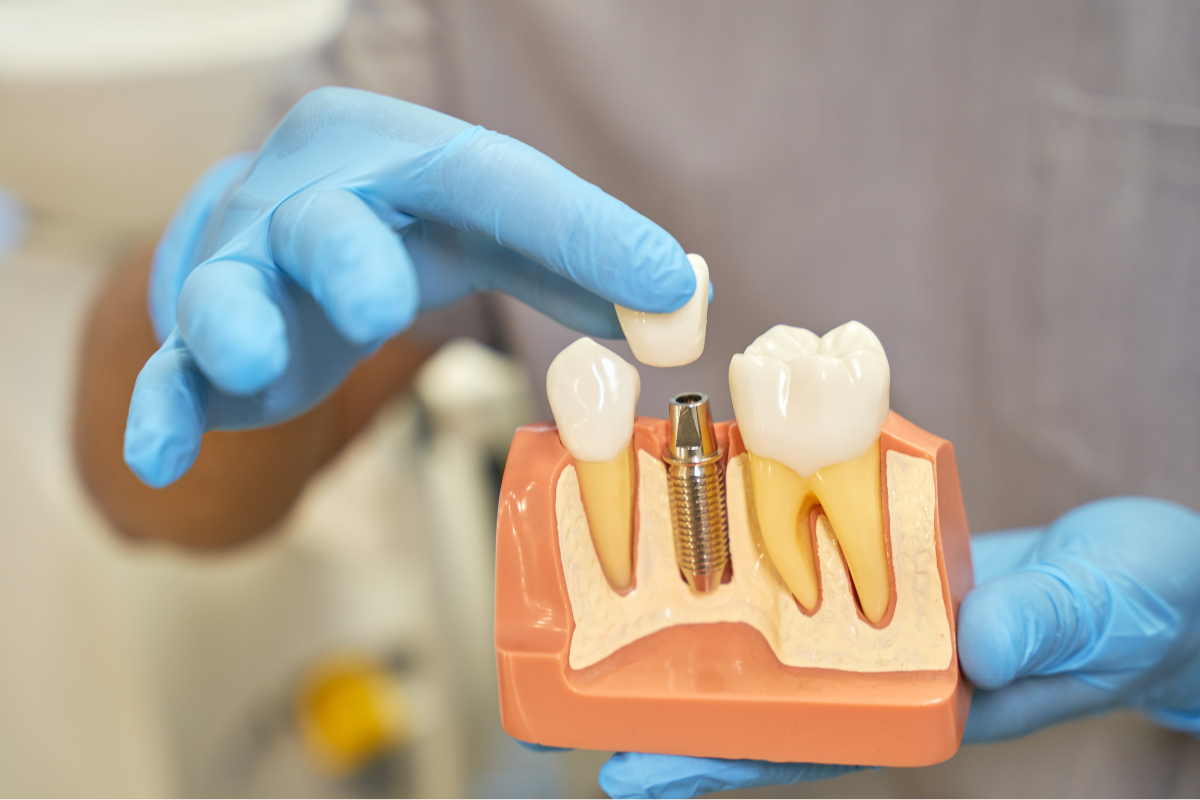
Dental implants are small posts, commonly made of titanium, that are placed in the jawbone to serve as artificial tooth roots. After the implant heals and integrates with the surrounding bone, a connector and custom-made crown can be attached to complete the restoration. Unlike a traditional dental bridge, an implant generally does not require support from neighboring teeth. It also provides stimulation to the jawbone through the implant, helping preserve bone in the treated area. Depending on your needs, implants may be used to replace a single missing tooth, support a bridge when several teeth are missing, or help stabilize certain types of dentures.
The final restoration is designed to fit your mouth and blend with your remaining teeth. With proper care, dental implants can provide a long-lasting tooth replacement option, although their lifespan depends on factors such as oral hygiene, overall health, and regular dental maintenance.
Are You a Good Candidate for Dental Implants?
Not everyone is immediately ready for implant placement. Your dentist will need to examine your mouth, review your dental and medical history, and assess the condition of your jawbone.
Several factors may influence your eligibility:
- Healthy gums: Active gum disease should be addressed before implant placement.
- Adequate jawbone: Sufficient bone is needed to support the implant. Some patients may benefit from bone grafting before treatment.
- Overall health: Certain medical conditions, medications, and habits, including smoking, can affect healing and implant success.
- Commitment to oral hygiene: Daily brushing, flossing, and routine dental visits help protect the implant and surrounding tissues.
If you are considering dental implant treatment in Geismar, a consultation at 73 Smiles can help determine whether implants are suitable for you and whether preparatory treatment may be necessary.
What If You Have Been Missing a Tooth for Years?
A long gap does not automatically mean you cannot receive an implant. However, the longer a tooth has been missing, the more likely it is that changes in the jawbone or the position of nearby teeth will need to be evaluated. Your dentist may recommend dental X-rays or three-dimensional imaging to examine bone volume, the location of nerves, and other structures that affect treatment planning.
If bone loss has occurred, bone grafting may help create a suitable foundation for an implant in some cases. The treatment timeline varies depending on your oral health, whether additional procedures are needed, and how quickly your body heals. The best way to understand your options is to have the area examined rather than assume that too much time has passed.
How Implant Dentistry Compares With Other Tooth Replacement Options
Implants are not the only way to replace missing teeth. Dental bridges and removable partial dentures may also be appropriate, depending on your needs. A bridge fills the gap by attaching an artificial tooth to neighboring teeth, which may require those teeth to be reshaped. A removable partial denture can replace one or more missing teeth without implant surgery, but it may need periodic adjustments. Implants require a surgical procedure and a healing period, and their initial cost may be higher than other options. However, they can offer stability, independent support, and long-term function when properly planned and maintained.
When comparing options, consider your oral health, budget, treatment timeline, and preferences. A dental professional can explain the benefits and limitations of each approach so you can make an informed decision.
Conclusion: Is It Time to Revisit Your Tooth Replacement Options?
Putting off tooth replacement may seem manageable when you are not experiencing discomfort, but a missing tooth can affect your bite, neighboring teeth, and jawbone over time. Dental implants may offer a durable solution, although their suitability depends on your individual oral health and treatment needs. Understanding your options early gives you more time to plan and address potential concerns before they become more complicated.
If you have a missing tooth and want to learn whether implants are right for you, schedule an appointment with 73 Smiles in Geismar. A dental evaluation can help you explore suitable replacement options and determine the next steps for restoring your smile.