


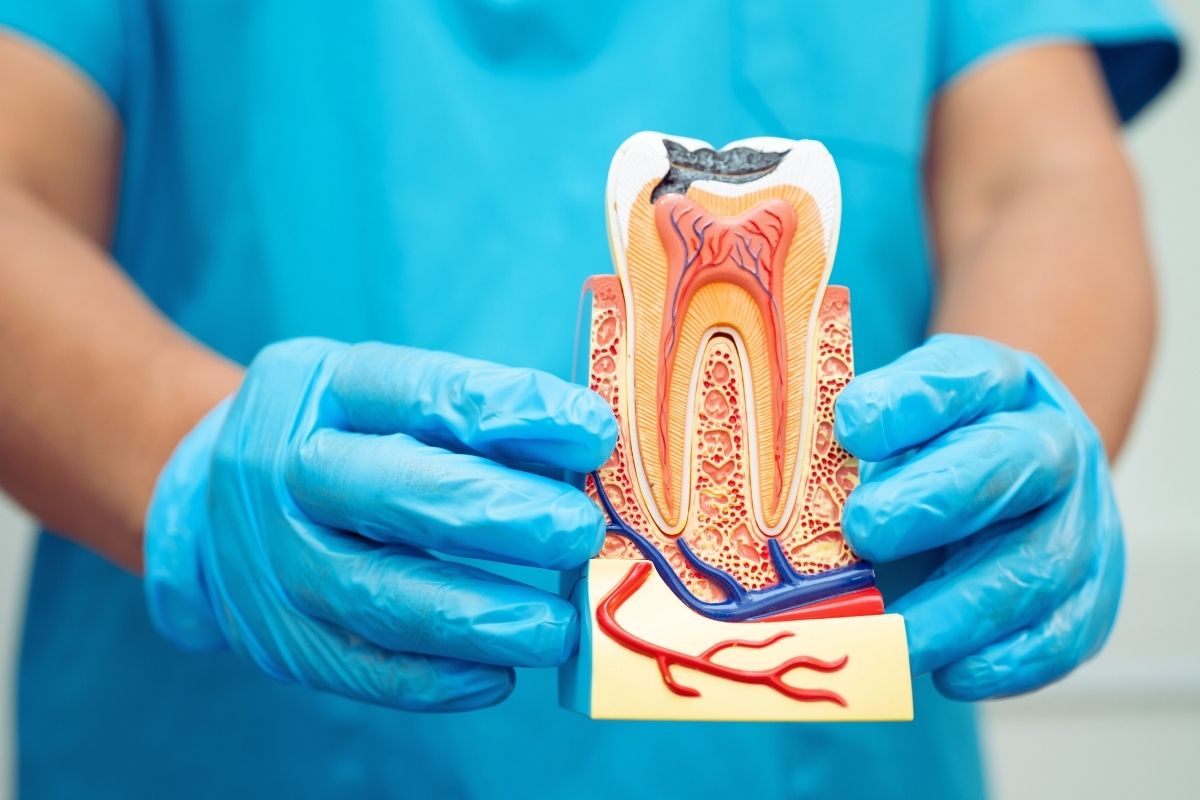
A dental filling is designed to restore strength to a tooth after decay. Over time, though, fillings can wear down, loosen, or even crack. When this happens, the tooth loses its protection and becomes vulnerable to new problems. Sometimes the solution is as simple as replacing the filling, but in other cases, the damage may be more advanced and require a root canal to save the tooth.
This guide explains what happens when a filling cracks, how to recognize the signs, and when endodontic therapy may be the proper treatment.
What Does a Cracked Filling Feel Like?
Cracks in fillings don’t always cause immediate pain, but many patients notice changes in the way the tooth feels. The most common symptoms of a cracked filling include:
- Sharp pain or discomfort when biting down
- Sensitivity to hot, cold, or sweet foods and drinks
- A rough edge you can feel with your tongue
- Food is getting stuck near the filling
- Throbbing discomfort that comes and goes
These symptoms occur because the crack allows bacteria and debris to enter the space between the filling and the tooth. Left untreated, this can irritate or infect the pulp tissue inside the tooth.
When Can a Filling Be Repaired?
Often, a cracked filling can be addressed with dental filling repair. The dentist removes the old filling, checks the tooth for hidden decay, and places a new restoration. This works well when the crack affects only the filling material and the underlying tooth remains strong.
Repair may not be an option if:
- The crack extends into the natural tooth structure
- Decay has developed under or around the filling
- The pulp inside the tooth has become inflamed or infected
- The filling is very large, and the tooth no longer has enough support
When these situations occur, a filling alone cannot restore the tooth. At that point, root canal therapy may be necessary.
How to Know if You Need a Root Canal?
A root canal for a cracked filling is recommended when the pulp inside the tooth is damaged. The infected tissue is removed during the treatment, and the tooth is cleaned, sealed, and protected with a crown or strong restoration.
You may need an endodontic treatment if you notice:
- Ongoing pain that lingers and doesn’t improve
- Swelling or tenderness in the gums near the tooth
- Intense pain when chewing or applying pressure
- Prolonged sensitivity to temperature changes
- Darkening or discoloration of the affected tooth
These signs can sometimes be subtle. Dental exams and X-rays often confirm whether the pulp has been affected and whether endodontic care is needed.
Why Timely Care Matters
Cracked fillings are not only uncomfortable but also risky for your oral health. A small crack that seems manageable can lead to infection and significant tooth damage if ignored. Seeking treatment promptly improves the chances of saving the tooth with a simple filling repair. If a endodontic treatment is needed, early treatment prevents further spread of infection and preserves your natural tooth.
At 73 Smiles, our team provides careful evaluations and trusted treatment options for patients in Dutchtown, Geismar, and the surrounding areas. If you are experiencing discomfort from a cracked filling, we encourage you to schedule a consultation. Timely care can save your tooth and restore comfort before the damage worsens.
Protecting Restored Teeth
After a filling or root canal, protecting the tooth from future damage is key. Here are some tips:
- Avoid chewing hard foods like ice or hard candy
- Brush at least twice daily with fluoride toothpaste
- Floss daily to protect the edges of fillings
- Schedule regular dental checkups and cleanings
- Use a nightguard if you clench or grind your teeth
These steps reduce the risk of new cracks and help your restored teeth last longer.
The Bottom Line
A cracked filling may seem minor at first, but it can open the door to bigger dental problems if ignored. Some cases only require a simple replacement, while others may call for endodontic therapy to save the tooth. Paying attention to the signs, acting quickly, and getting professional care makes all the difference in preserving your smile.
