

The Structure and Impact of Periodontal Disease
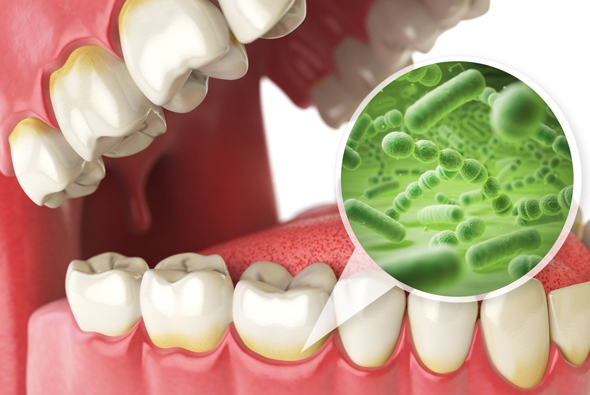
Periodontal disease is a bacterial infection that affects the supporting structures of the teeth, such as the gums, bone, and periodontal ligament. Plaque and tartar, which harbor harmful bacteria, can impact both the visible part of the tooth and the roots below the gums. The release of toxins by the bacteria triggers an inflammatory response from the body's immune system. Without removing the source of the toxins, this inflammation can lead to the loss of bone and supporting tissues.
What is the treatment for Periodontal Disease?
While we cannot replace lost bone due to periodontal disease, we can stop its progression, prevent further bone loss, and restore your mouth to a healthy state. Treatment recommendations will vary depending on the severity of the condition:
- Scaling: Removes hard deposits (tartar or calculus) from below the gums.
- Root Planing: Removes tartar from the root surface and smooths any rough irregularities to promote healing.
- Localized or Systemic Antibiotic Delivery: Prevents bacteria reattachment in cleaned sites.
- Periodontal Surgery: Removes bacteria from beneath the gums, reshapes the supporting bones, and makes cleaning easier to prevent future gum damage. This is only used in severe cases.
Treatment of Gum Disease Application
Gum disease treatments are typically recommended for patients who do not have healthy gums, which should be pale pink, firm, and snug around each tooth. If your gums do not meet these criteria, you may need treatment. Signs that you may benefit from treatment include swollen or puffy gums, red or purple gum tissue, tender gums, easy bleeding, bad breath, and receding gum tissue.
