
Replacing a missing tooth with dental implants or a dental bridge can restore your smile, improve chewing, and help maintain proper tooth alignment. The main difference is how each option stays in place. Dental implants use a small post placed in the jawbone to support a replacement tooth, while a bridge fills the gap by attaching an artificial tooth to neighboring teeth. The right choice depends on your oral health, bone support, the condition of nearby teeth, budget, and long-term goals. For patients considering tooth replacement in Geismar, understanding these differences can help make the decision easier.
How Do Dental Implants Work?
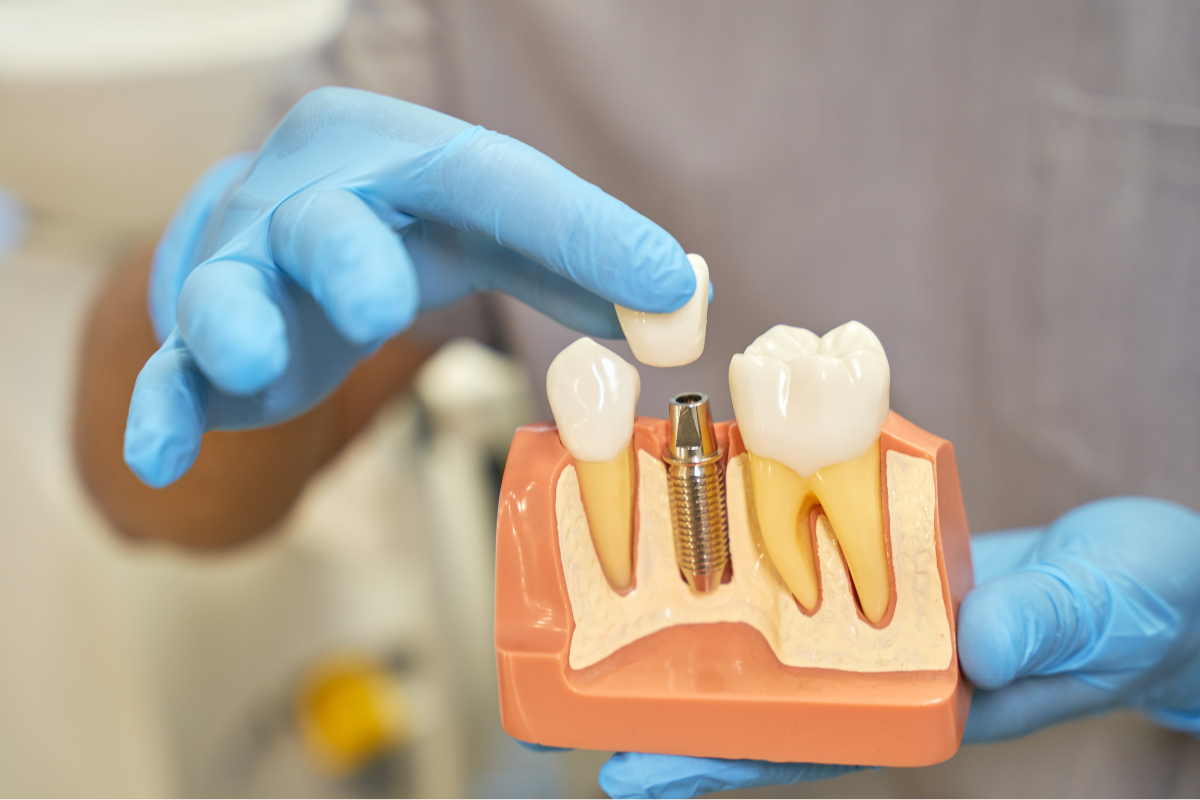
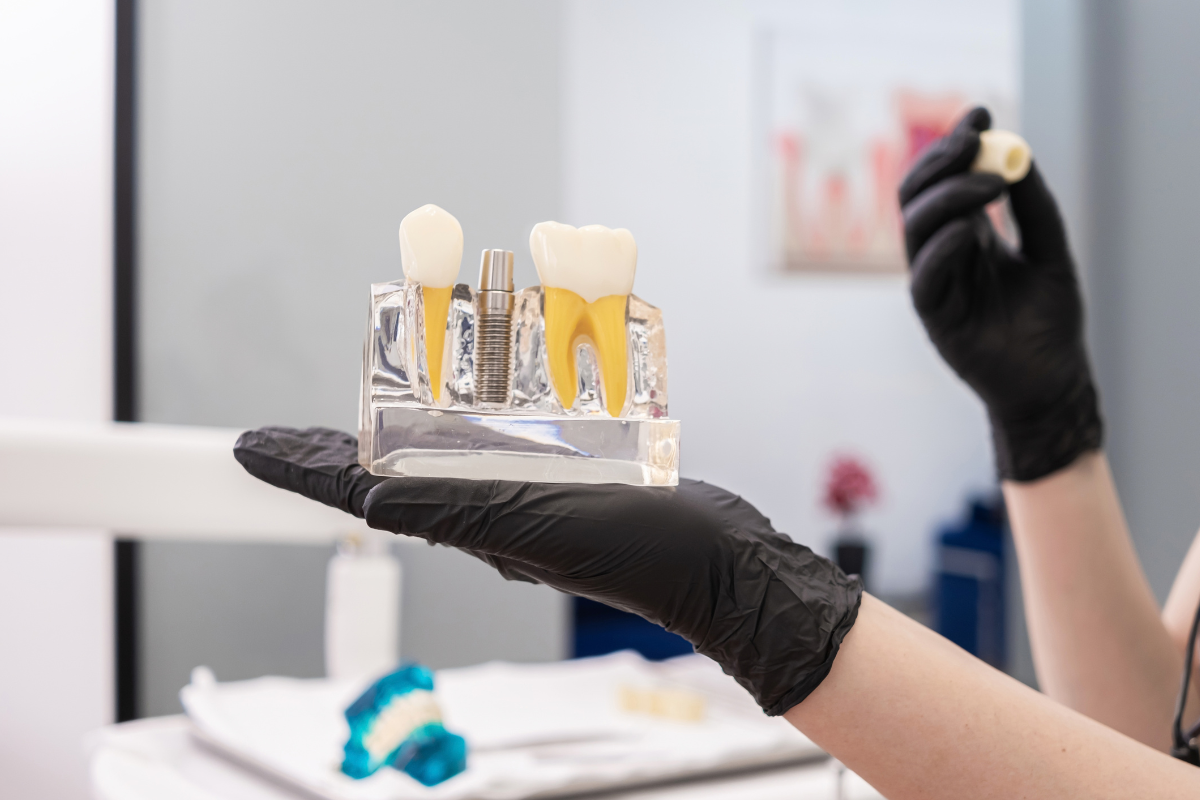
Dental implants replace the root of a missing tooth as well as its visible portion. A dentist places a titanium post in the jawbone, where it gradually bonds with the surrounding bone. Once the area has healed sufficiently, a custom crown is attached to complete the restoration. One of the main benefits of implants is that they do not rely on neighboring teeth for support. They can also help preserve the jawbone by providing stimulation during chewing, which may help limit the bone loss that often occurs after a tooth is lost.
With proper care, dental implants can provide a stable, natural-looking replacement for many years. However, treatment requires adequate bone support, healthy gums, and enough time for healing. Some patients may need additional procedures, such as bone grafting, before implant placement in Geismar.
How Does a Dental Bridge Work?
A dental bridge replaces one or more missing teeth by placing an artificial tooth between supporting crowns. In a traditional bridge, the crowns are attached to neighboring natural teeth, which are reshaped to accommodate the restoration. Unlike an implant, a bridge does not require surgery to place a post in the jawbone. Treatment can often be completed in fewer visits, making it a practical option for patients who want to restore a gap without implant surgery.
However, preparing the supporting teeth means removing some of their natural enamel. These teeth must be strong enough to handle the additional load. A bridge also does not replace the missing tooth root, so the jawbone beneath the gap may continue to lose volume over time.
Dental Implants vs. Bridges: Key Differences
Both options can restore the appearance and function of your smile, but they differ in several important ways.
1. Impact on Neighboring Teeth
Dental implants stand independently and generally do not require changes to adjacent teeth. This can be helpful when the surrounding teeth are healthy. A traditional bridge relies on neighboring teeth for support. If those teeth already have large fillings or crowns, a bridge may be a reasonable option. If they are healthy, however, preserving their natural structure may be an important consideration.
2. Treatment Time and Recovery
Implant treatment usually takes longer because the post needs time to integrate with the jawbone before the final crown is attached. The overall timeline varies depending on healing, bone quality, and whether additional procedures are needed. A dental bridge typically requires less time to complete because it does not depend on bone integration. Your dentist can explain the expected schedule based on the condition of your teeth and gums.
3. Durability and Maintenance
Both restorations can last for many years, but neither is permanent. Implants can remain functional for a long time with good oral hygiene and regular dental visits, although the crown may eventually need replacement. Bridges may need replacement if the supporting teeth develop decay, gum disease, or structural problems. Both options require daily cleaning, professional examinations, and attention to gum health.
4. Jawbone Health
A dental implant transfers chewing forces to the jawbone, helping maintain stimulation around the missing tooth. A traditional bridge restores the visible tooth but does not stimulate the bone beneath the gap in the same way. This difference may influence your decision, particularly if you are concerned about long-term changes in the jawbone after tooth loss.
Which Tooth Replacement Option Is Right for You?
There is no single solution that works for everyone. Dental implants may be worth considering if you have healthy gums, sufficient jawbone, and want a replacement that does not depend on neighboring teeth. A bridge may be appropriate if you prefer a shorter treatment timeline, want to avoid implant surgery, or have adjacent teeth that would benefit from crowns. Other factors matter, too. Your medical history, oral hygiene habits, bite, number of missing teeth, and financial considerations can affect which treatment is suitable. Discussing the long-term maintenance needs of each option can also help you plan for future dental care.
For patients exploring dental implant treatment in Geismar, a dental examination can help determine whether implant placement is possible and whether a bridge may offer comparable benefits for their specific situation.
Conclusion: Consider Your Long-Term Oral Health
Choosing between implants and bridges involves more than filling the visible gap. Both treatments can restore chewing function and improve your smile, but they differ in how they support replacement teeth, affect neighboring teeth, and influence the jawbone. Understanding these differences allows you to weigh immediate needs against long-term oral health goals. A personalized evaluation is the best way to compare your options. The right choice should fit your dental condition, treatment preferences, and plans for maintaining your smile over time.
Considering a tooth replacement? Schedule an appointment with 73 Smiles in Geismar to discuss your options and determine whether implant dentistry or a dental bridge may be appropriate for your needs.