

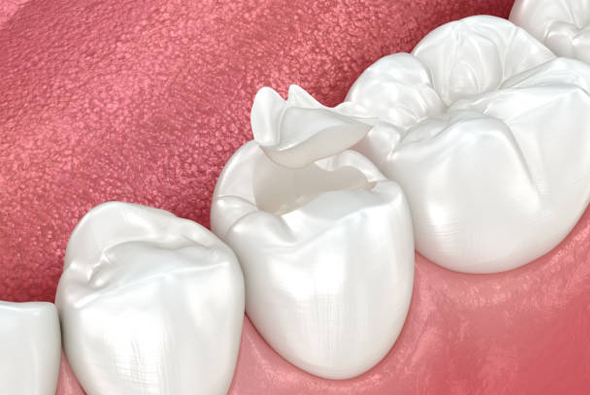
Prevent Cavities in Hard-to-Reach Areas with Dental Sealants
Many molars have deep grooves with incomplete enamel, leaving the second layer of tooth exposed and vulnerable to decay-causing bacteria. These hard-to-clean crevices can lead to cavities. Our painless solution is dental sealants, which seal these grooves and prevent larger fillings in the future. After a thorough cleaning, a tooth-colored filling is placed to protect these susceptible areas.
Prevents Cavities
Research indicates that dental sealants can decrease the risk of cavities by 80% after 2 years and by 50% after 4 years.
Long-lasting Protection
Sealants can be easily replaced and, with proper care, can last up to 9 years.
Perfect for children
Children without sealants on their teeth are three times more likely to get cavities than those with sealants.
Fast, painless, and easy to use application
Using the liquid form of the thin coating is as easy as painting, and it hardens in about one minute. It's really that simple! A sealant is like a small plastic filling, and usually, numbing is not necessary since tooth enamel does not have nerves.
Who is eligible for dental sealants?
- School-aged children
- Adults with a history of cavities
- People looking for additional defense against tooth decay
What occurs during the dental sealant procedure at our office?
Sealants are a dental treatment that is like a small plastic filling. Unlike regular fillings, sealants do not require numbing because tooth enamel does not have nerves.
To begin, we will assess the tooth or teeth needing sealants and remove any decay if present. Then, we will apply a solution to improve the bonding of the sealant material to the tooth's surface.
Lastly, we will carefully apply the sealant to the tooth and use a special curing light if needed. And that's all there is to it!
