
Dental implant surgery is a common and effective procedure for replacing missing teeth. While many patients focus on the long-term benefits of restored function and appearance, it’s important to also consider the recovery period and potential side effects. One question that often arises is whether weight loss occurs after dental implant surgery. In this blog, we’ll discuss the factors that may contribute to weight changes during the recovery process and what you can do to manage your nutrition after the procedure.
What to Expect After Dental Implant Surgery
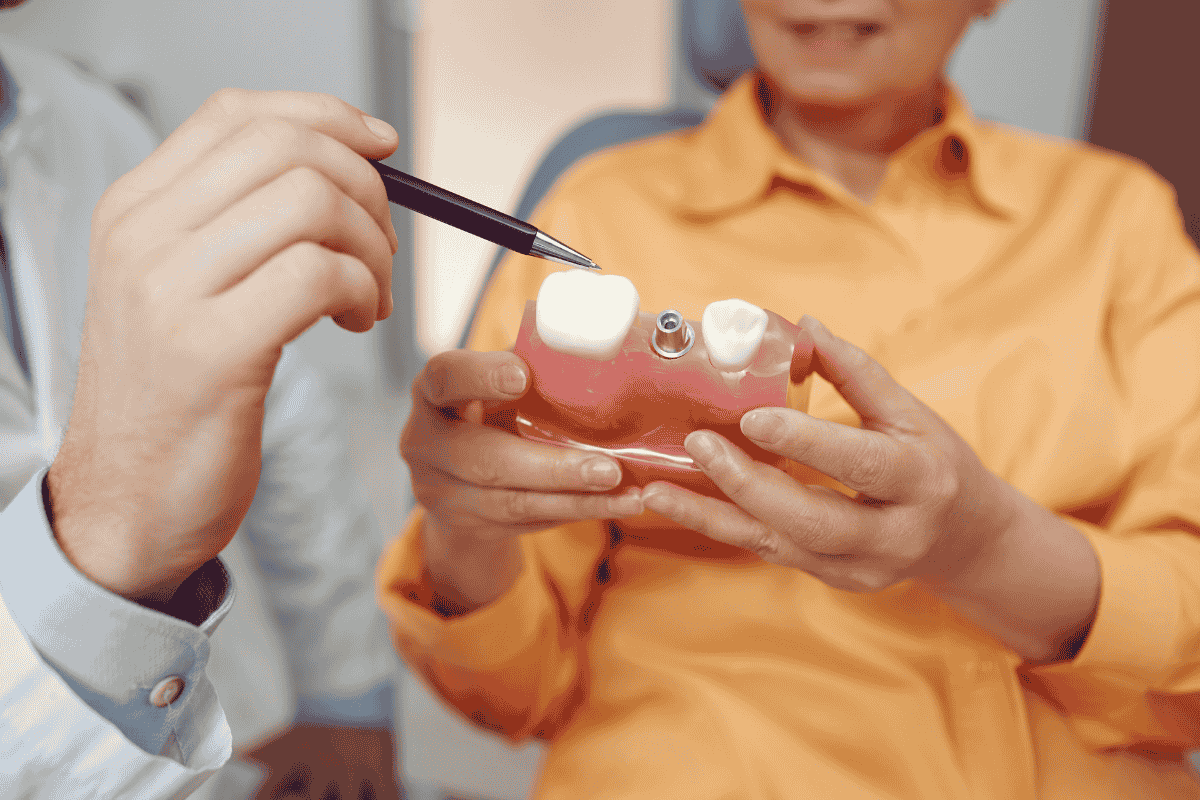
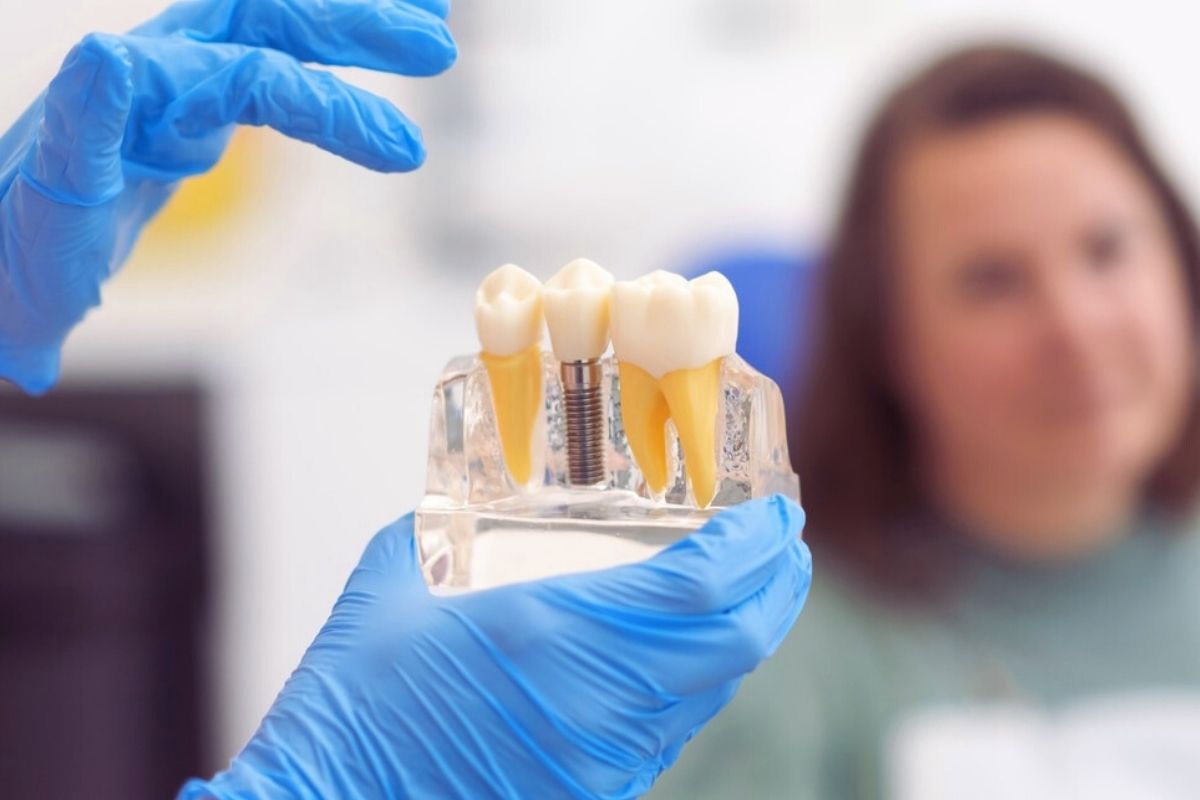
Dental implants are titanium posts placed into the jawbone to replace missing teeth. They serve as the foundation for a crown, bridge, or denture, offering a permanent solution for individuals with missing or damaged teeth. Like any surgical procedure, dental implants require a healing period, and during this time, certain factors may affect your appetite and eating habits.
Is Weight Loss Common After Dental Implant Surgery?
While weight loss isn’t a typical side effect of dental implant surgery, there are several factors that could contribute to a temporary reduction in food intake and potential weight loss during the recovery period:
Pain and Discomfort: After surgery, it’s normal to experience pain, swelling, and bruising around the implant site. These symptoms can make chewing and eating difficult, particularly during the first few days after the procedure. As a result, you may find it easier to avoid solid foods and prefer soft or liquid foods instead. This dietary limitation can lead to a reduction in calorie intake, potentially causing mild weight loss.
Medication Side Effects: Following the procedure, your dentist may prescribe pain relievers or antibiotics to manage pain and prevent infection. Some of these medications can cause nausea or a reduced appetite. As a result, you may not feel like eating, which could contribute to temporary weight loss. If you’re experiencing nausea or difficulty eating after surgery, it’s important to speak with your dentist to adjust your medication plan if needed.
Dietary Restrictions: In the days immediately following dental implant surgery, patients are usually advised to follow a soft-food diet to avoid putting stress on the healing area. Foods such as mashed potatoes, yogurt, smoothies, and soups are often recommended. While these foods are easy to consume, they might be less calorie-dense than the foods you’re used to eating. As a result, your overall food intake may decrease temporarily, leading to mild weight loss. However, as your recovery progresses and you’re able to eat solid foods again, your weight should stabilize.
Emotional and Psychological Factors: Undergoing surgery can be emotionally challenging for some individuals. Stress or anxiety about the procedure, recovery, or discomfort might affect your appetite. For some, this emotional stress can lead to a decrease in food intake, contributing to weight loss during the healing process.
How to Prevent Weight Loss After Dental Implant Surgery
To minimize the risk of unintended weight loss during your recovery from dental implant surgery, it’s important to focus on maintaining a balanced diet, even if your food choices are limited. Here are a few tips to help manage your nutrition during the healing period:
- Stay Hydrated: Dehydration can be a concern if you’re not eating solid foods. Drink plenty of water and consider nutrient-rich liquids like smoothies or soups to help keep you hydrated and provide essential vitamins and minerals.
- Choose Calorie-Dense Soft Foods: When eating soft foods, try to select those that are rich in calories and nutrients. Avocados, eggs, protein shakes, and cottage cheese are easy to consume and offer good nutrition for healing.
- Avoid Sugary or Processed Foods: While it may be tempting to rely on sugary liquids, it’s important to avoid excess sugar. Sugar can cause inflammation and other oral health issues, which could delay healing.
- Monitor Your Progress: Keep track of your food intake and any changes in your weight. If you’re concerned about not eating enough or losing weight too quickly, speak with your dentist. They can offer guidance or recommend supplements to support your recovery.
Ensure a Smooth Recovery After Implant Surgery with Proper Care
While weight loss after dental implant surgery is not common, it’s important to monitor your recovery closely and ensure you’re maintaining proper nutrition during the healing process. If you experience significant weight loss, difficulty eating, or persistent pain or nausea, it’s essential to reach out to your dentist.
If you live in Geismar, Dutchtown, Prairieville, St. Gabriel, or nearby communities and have any concerns regarding dental implant surgery or need a routine checkup to monitor your recovery and implant health, don’t hesitate to contact the team at 73 Smiles. We’re here to ensure your implants heal properly and your smile stays healthy.