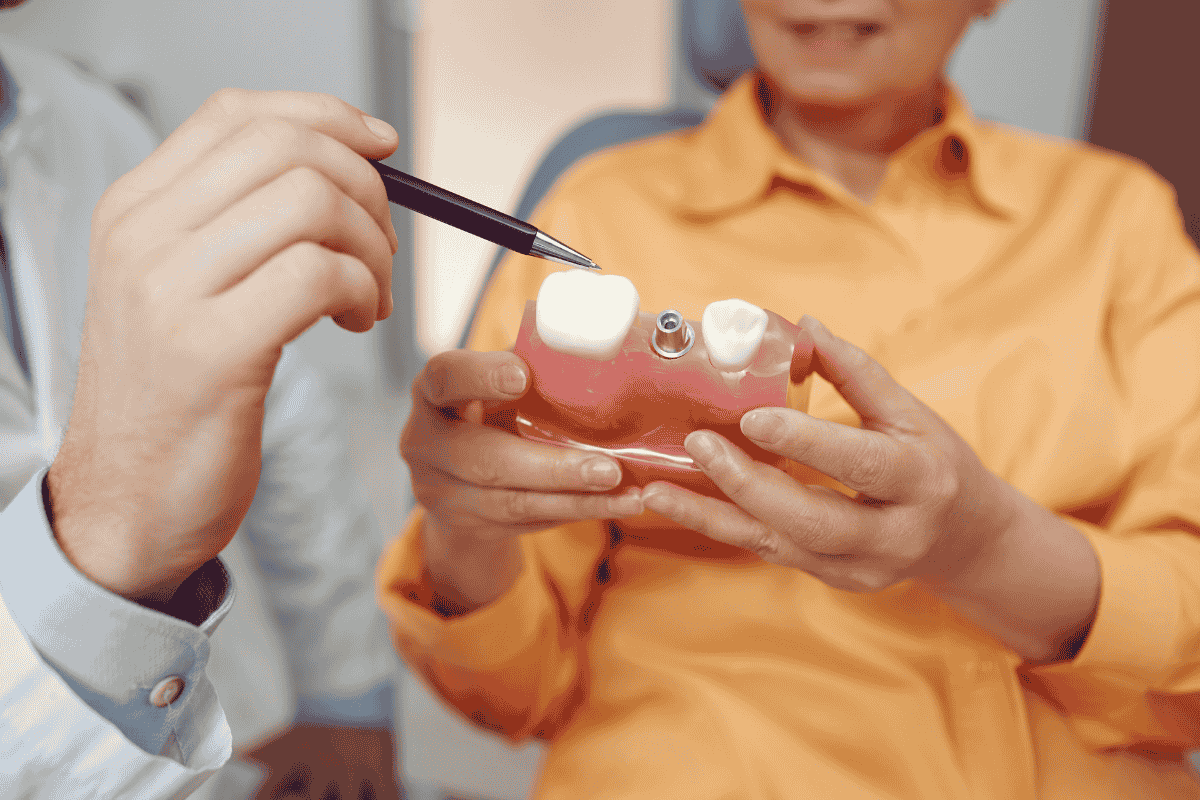


Dental crowns are an important part of restoring teeth that have been damaged by decay, fractures, or previous dental treatment. A well-made crown can protect a tooth for many years, but even the most durable materials are not designed to last forever. Over time, natural wear, oral habits, or changes in your oral health can affect how your crown fits and functions.
This helpful guide will help you recognize signs that your dental crown may need to be replaced. Understanding what to look for can help you protect your oral health and avoid more complicated treatment later.
How Long Do Dental Crowns Last?
The lifespan of a dental crown can vary based on the material used, your oral hygiene, and your daily habits. In general, a dental crown may last 10 to 15 years, although some last much longer with good care. Crowns made from ceramic, porcelain, or zirconia can provide strength and natural aesthetics, while metal-based crowns are known for durability.
Regular dental visits are important so the dental team can help monitor the health of the tooth beneath the crown, the surrounding gums, and your bite. Early detection of changes helps prevent larger problems.
Signs Your Dental Crown Needs To Be Replaced
Below are some common indicators that it may be time to have your crown evaluated or replaced.
Pain or Sensitivity
A healthy dental crown should feel comfortable. If you experience lingering pain or sensitivity when eating hot, cold, or sweet foods, this may point to decay beneath the crown, a loose seal, or gum recession. While occasional sensitivity may not be serious, persistent discomfort should always be evaluated.
Visible Cracks, Chips, or Wear
Dental crowns withstand daily chewing forces, but they can become damaged. Chips, cracks, or visible wear may weaken the crown and leave the underlying tooth exposed to bacteria. Teeth grinding (bruxism) or chewing hard objects like ice can accelerate damage. Even if the damage seems small, it is best to have it examined.
A Loose or Moving Crown
If your crown feels loose or moves when you bite or touch it, the bond between the crown and tooth may have weakened. This can happen if the cement fails or if decay develops beneath the crown. A loose crown can allow bacteria inside, which may lead to infection or more extensive treatment such as a root canal.
Gum Changes Around the Crown
Healthy gums should fit snugly around your dental crown. If you notice swelling, recession, redness, or bleeding around the crowned tooth, this may indicate gum disease or an improper crown fit. As the gums recede, the underlying tooth may become exposed, increasing the risk of decay or sensitivity.
A Dark Line Near the Gumline
Some crowns have a metal base under the porcelain material. Over time, a dark line can appear near the gumline. While this is often more of a cosmetic concern than a functional problem, many people choose to replace aging metal-based crowns with ceramic or zirconia options for a more natural appearance.
Bad Breath or Unpleasant Taste
A dental crown should not cause persistent bad breath. If you consistently notice an unpleasant taste or odor, bacteria may be accumulating under or around the crown due to decay or poor sealing. Replacing the crown may help restore a clean and healthy environment.
Bite Feels Off or Misaligned
Your bite should feel natural. If the crowned tooth suddenly feels too high, uneven, or uncomfortable when chewing, this may suggest that the crown has shifted or worn down. A misaligned bite can affect surrounding teeth and even cause jaw soreness.
Recurrent Decay
Decay can develop on the tooth beneath the crown, particularly if the crown edge does not fit well or the gums have receded. Cavities beneath a crown cannot be cleaned at home and require professional evaluation. If decay is present, replacing the crown is often necessary to prevent infection.
What Happens If You Delay Replacing a Damaged Crown?
Putting off crown replacement can allow bacteria to reach the underlying tooth. When this happens, decay or infection may develop. You may eventually need more complex treatment, such as a root canal, or the tooth may become too damaged to save. A failing crown can also affect your bite and cause discomfort.
How We Evaluate Dental Crowns
During your visit, we take time to carefully examine the crown surface, its fit, and how it aligns with your bite. When needed, we take X-rays to check for decay beneath the crown, signs of infection, or changes in the supporting bone.
If we notice damage, decay, or any other concern, we review treatment options with you. In many cases, replacing the crown is a straightforward solution. In other situations, the natural tooth may need additional treatment before a new crown is placed.
If replacement is recommended, we gently remove the old crown and evaluate the tooth underneath. Any decay is cleaned away to restore a healthy foundation. If the tooth has an infection or nerve involvement, root canal therapy may be required to help save the tooth. Once the tooth is properly treated and shaped, a new crown is designed and fitted to help restore function and appearance.
Tips to Help Extend the Life of Your Dental Crown
Daily care is important for maintaining your crown and the tooth beneath it. Here are helpful habits:
- Brush twice a day with fluoride toothpaste
- Floss daily to remove plaque around the crown margins
- Avoid chewing ice, hard candies, or non-food objects
- Wear a nightguard if you grind your teeth
- Visit us regularly for exams and professional cleanings
By following these steps, you can help your crown last as long as possible.
Have Concerns About Your Crown?
If you are noticing discomfort, sensitivity, visible wear, or other changes with your dental crown, contact us to schedule an appointment. Early evaluation helps prevent problems from progressing.
Our office is located in Dutchtown, and we proudly serve Geismar and the surrounding areas.
In Summary
A dental crown can protect and strengthen a damaged tooth for many years, but it is not a permanent solution. Replacing an aging or damaged crown promptly helps maintain a comfortable bite and prevents infection or further tooth damage.