

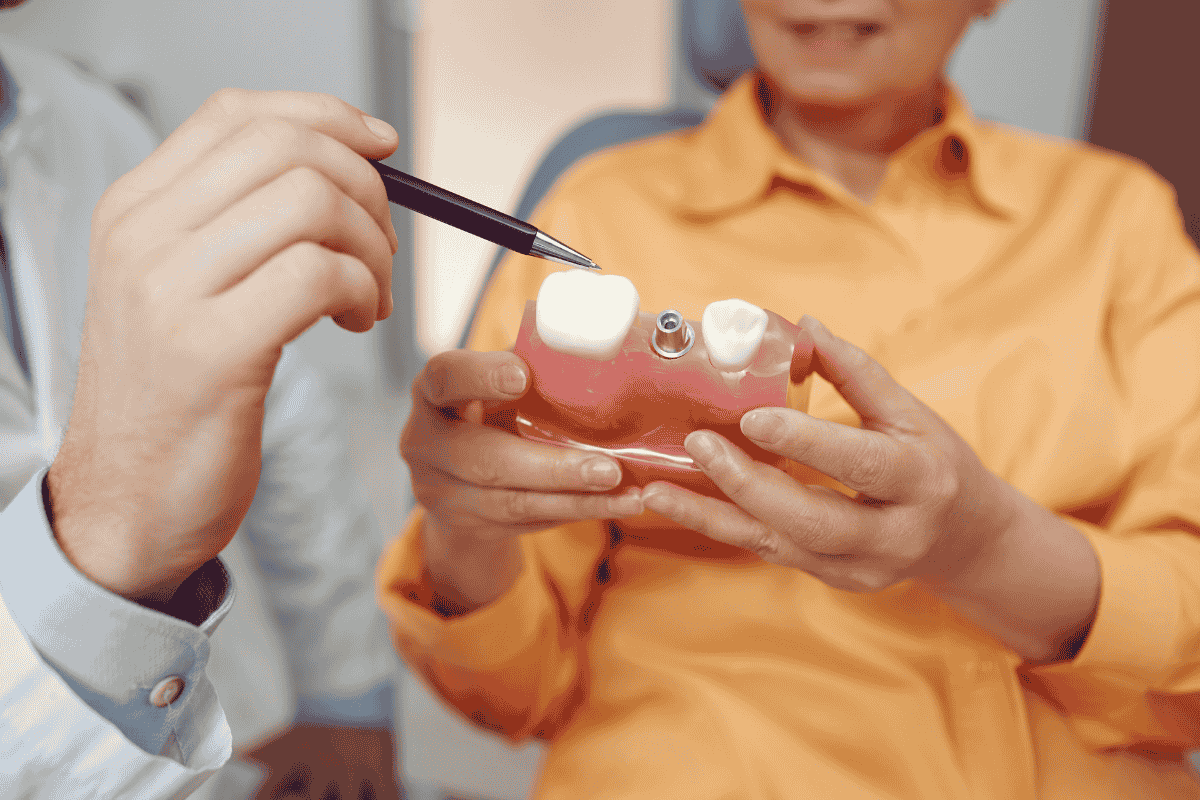
Losing a tooth isn’t just a matter of appearance; it can have lasting effects on your overall oral health, especially when it comes to your jawbone.
Many people are surprised to learn that their jawbone relies on the presence of natural teeth to stay strong. When a tooth is missing and not replaced, changes begin to occur below the surface. Over time, the jawbone in that area starts to weaken, which can lead to a chain reaction of dental and facial structure issues.
Understanding how this process works can help you make informed decisions about your dental health.
How Teeth Help Keep the Jawbone Healthy
Every time you chew, your teeth send small signals of pressure through their roots into the surrounding jawbone. This stimulation is what keeps the bone healthy and active. When a tooth is lost, that stimulation disappears, and the body begins to reabsorb the bone — a natural process known as bone resorption.
This process doesn’t cause pain, so it often goes unnoticed until visible or functional changes start to occur.
What Happens Over Time Without a Tooth?
If a missing tooth isn’t replaced, the following changes can develop gradually:
- Bone loss in the jaw where the tooth used to be
- Shifting of nearby teeth into the empty space
- Bite misalignment, which can affect how you chew or speak
- Facial structure changes, especially with multiple missing teeth
- Increased risk of further tooth loss due to weakening support
These changes can affect not just your oral function, but also your confidence and comfort over time.
Can Bone Loss Be Prevented?
Yes, especially when the missing tooth is replaced promptly with a restoration that supports the jawbone. Among all tooth replacement options, dental implants are the most effective for maintaining bone health.
Why Dental Implants Help
Dental implants are placed directly into the jawbone, where they act like natural tooth roots. They provide the stimulation needed to keep the bone from shrinking and help maintain both function and appearance. From a clinical standpoint, they’re often the preferred choice for:
- Preserving jawbone structure
- Supporting natural chewing ability
- Preventing surrounding teeth from shifting
- Maintaining facial balance and symmetry
Even if some bone loss has already occurred, treatment options like bone grafting may still make implants possible.
The Importance of Acting Early
The effects of a missing tooth may take months or even years to become noticeable, but early treatment can make a big difference in preserving long-term oral health. If you’re unsure whether your situation requires action, it’s always a good idea to speak with your dental care provider. A professional evaluation can help you explore your options before bone loss becomes more advanced.
Need Guidance? We’re Here to Help
If you’ve lost a tooth and are wondering what steps to take next, our team is here to support you with expert, personalized care. We proudly serve patients in Dutchtown, Geismar, and nearby communities, offering advanced options like dental implants to restore both function and confidence. Call us today to schedule a consultation at 225-384-6927.