
Whitening toothpaste is a common part of many daily oral care routines. It promises a brighter smile with minimal effort. Still, many people wonder if using whitening toothpaste every day can harm tooth enamel over time. This concern is valid, especially for those focused on long-term oral health.
Understanding how whitening toothpaste works and how it affects enamel can help people make better choices. Not all whitening products are the same, and daily use does not always mean damage. The key lies in ingredients, technique, and individual enamel strength.
At 73 Smiles, we serve the communities of Dutchtown and Geismar and spend much of our time helping people understand how everyday oral care choices affect their teeth. In this guide, we share clear information about whitening toothpaste, what daily use means for enamel, and how to maintain healthy teeth without unnecessary risk.
What Whitening Toothpaste Actually Does
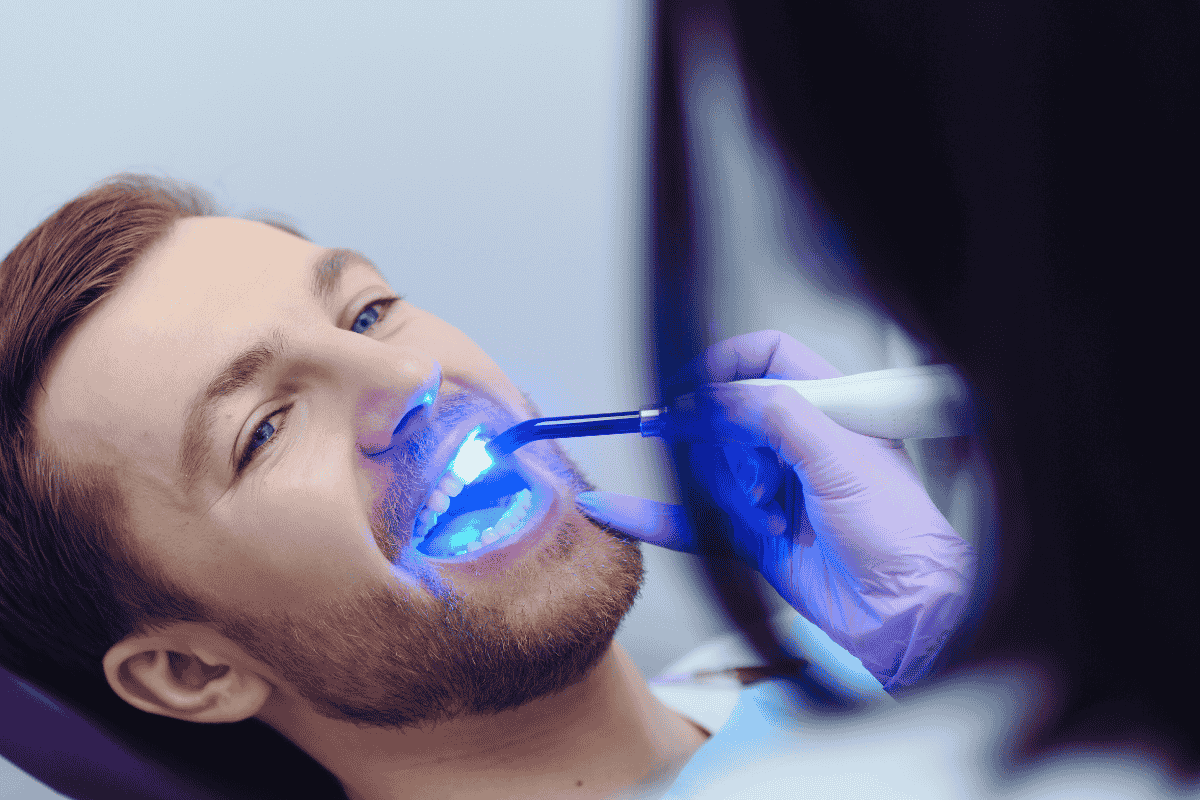
Unlike professional whitening treatments, whitening toothpaste does not change the internal color of teeth. Most formulas work by removing surface stains caused by coffee, tea, wine, or tobacco.
This stain removal usually happens through mild abrasives. Some whitening toothpastes also include low levels of chemical agents such as hydrogen peroxide, but the concentration is much lower than in in-office whitening treatments. Because of this, whitening toothpaste works gradually. Results depend on consistent use and the type of stains present.
Understanding Tooth Enamel
Tooth enamel is the hard outer layer that protects teeth from decay and sensitivity. It does not regenerate once it wears down. That is why protecting enamel is essential for better oral health.
Healthy enamel allows teeth to look smooth and glossy. When enamel thins, teeth may appear dull or yellow since the underlying dentin becomes more visible. Enamel erosion can also increase sensitivity to hot and cold temperatures.
Can Daily Whitening Toothpaste Damage Enamel?
Daily use of whitening toothpaste is not automatically harmful. Many products are designed for regular use and meet safety standards. Problems may arise when the toothpaste is overly abrasive or when the brushing technique is too aggressive.
High abrasiveness can wear down enamel over time. This risk increases if a hard-bristle toothbrush is used or if brushing pressure is excessive. Enamel damage can also occur faster in people who already have weakened enamel from acid exposure or grinding.
The Relative Dentin Abrasivity rating, often called RDA, measures how abrasive a toothpaste is. Most daily whitening toothpastes fall within a safe range. Choosing a toothpaste labeled as enamel-safe can reduce risk.
Signs That Enamel May Be Wearing Down
It is helpful to watch for early signs of enamel wear. These can include:
- Increased tooth sensitivity
- Teeth that look more yellow despite whitening efforts
- Rough or uneven tooth surfaces
- Discomfort when eating acidic foods
If these signs appear, it may be time to switch toothpaste or adjust brushing habits. In some cases, enamel wear can be subtle and easy to miss without a professional evaluation.
At 73 Smiles, we routinely check enamel health as part of ongoing dental care. If you are noticing changes or are due for a routine checkup, this is a good time to schedule a visit. You can contact our office to learn more or to set up an appointment at a time that works for you.
Tips for Using Whitening Toothpaste Safely
Using whitening toothpaste safely involves more than just the product itself. Simple habits can make a difference.
- Use a soft-bristle toothbrush
- Brush gently in small circular motions
- Avoid brushing immediately after acidic foods or drinks
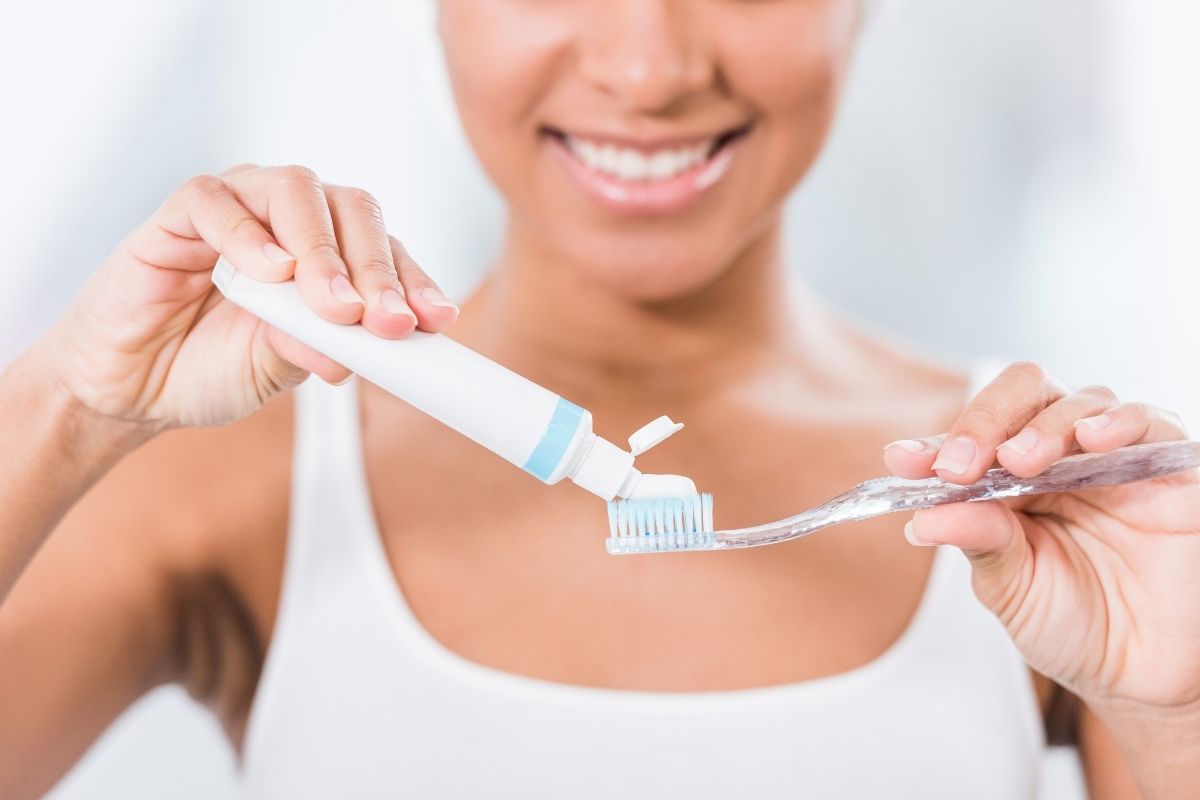
- Follow the recommended amount of toothpaste
- Alternate with a non-whitening toothpaste if sensitivity develops
These steps help reduce unnecessary enamel wear while still allowing stain removal.
Are There Better Alternatives for Whitening?
For those concerned about enamel, professional whitening options may be safer and more effective. These treatments are controlled and customized based on enamel condition and sensitivity levels.
Another option is focusing on stain prevention. Rinsing with water after staining foods and maintaining regular cleanings can reduce discoloration without relying heavily on whitening products.
Final Thoughts
Whitening toothpaste can be a helpful tool when used correctly. Daily use is often safe, but only when the product is gentle, and brushing habits support enamel protection. Paying attention to early warning signs and making small adjustments can prevent future issues.
A bright smile should never come at the cost of enamel health. With informed choices and professional guidance when needed, it is possible to maintain both appearance and strength over time.