
A bright smile is often associated with health, confidence, and warmth. However, many people experience tooth discoloration that dulls their smile. While food, drinks, and lifestyle choices can cause stains, certain medications are also a significant contributor. Unlike surface stains, medication-related discoloration can be deeper and more challenging to treat. For patients concerned about these changes, understanding what causes them and how professional treatments can help is the first step toward regaining a confident smile.
Types of Tooth Stains
Extrinsic stains are surface-level discolorations caused by coffee, tea, red wine, or tobacco use. These stains usually respond well to professional teeth whitening treatments.
Intrinsic stains, on the other hand, develop within the inner structure of the tooth (the dentin). Medications, especially antibiotics like tetracycline or certain antihistamines, can lead to these deeper stains. Because they form beneath the enamel, intrinsic stains are often harder to treat with standard whitening methods.
How Medication Causes Tooth Stains
Certain medications can alter tooth color either during tooth development or later in life. For example:
- Tetracycline and doxycycline antibiotics: When taken during childhood while teeth are forming, they can cause gray or brown discoloration that embeds deep in the tooth.
- Antihistamines, blood pressure medications, and antipsychotic drugs: These may gradually darken teeth over time.
- Excessive fluoride intake (fluorosis): Though not a medication, high fluoride exposure during tooth development can also mimic medication stains.
These discolorations are not just cosmetic; they can impact confidence and make people hesitant to smile.
Can Teeth Whitening Remove Medication Stains?
Professional teeth whitening treatments can be highly effective for extrinsic stains. However, intrinsic stains from medications are more resistant. While whitening may lighten the overall shade, it often cannot completely erase deep discoloration.
Professional whitening options include:
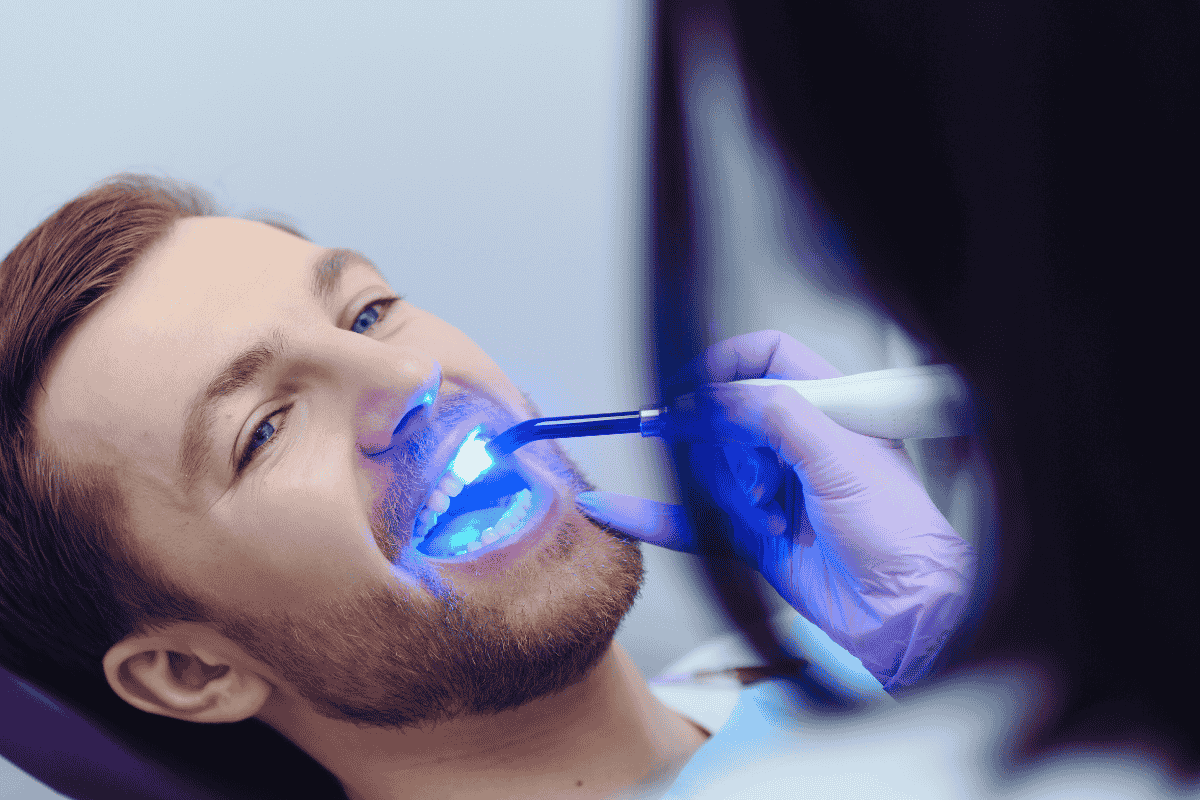
- In-office bleaching: Uses stronger whitening agents under professional supervision for quicker, more noticeable results.
- Custom take-home kits: Provided by a cosmetic dentist with custom trays for gradual, controlled whitening at home.
Limitations of over-the-counter products: Store-bought strips and toothpastes are generally too mild to make a significant difference on medication-related stains.
Alternative Treatments for Medication Stains
When whitening alone isn’t enough, cosmetic dentistry offers alternatives:
- Dental veneers: Thin porcelain or composite shells that cover the front surface of teeth for a whiter, uniform look.
- Bonding: Tooth-colored resin applied to mask discoloration.
- Crowns: Recommended when stains are severe or accompanied by tooth damage.
In many cases, cosmetic dentists may recommend a combination approach, such as whitening followed by veneers or bonding, to achieve the most natural result.
What to Expect from Whitening Treatments
Patients should know what the process involves before beginning treatment:
- Number of sessions: Some see results after one in-office treatment, while others may require multiple sessions or follow-up with take-home kits.
- Side effects: Temporary tooth sensitivity or gum irritation may occur but usually resolve quickly.
- Customized treatment plans: A dentist will evaluate the type and severity of stains to determine the best approach for each patient.
Prevention and Maintenance Tips
While past discoloration can be challenging, adopting good habits helps maintain results:
- Limit stain-causing foods and drinks like coffee, tea, and red wine.
- Avoid tobacco products.
- Practice excellent oral hygiene, including brushing, flossing, and using fluoride toothpaste.
- Schedule regular dental check-ups for professional cleanings and ongoing care.
Whitening Effectiveness on Different Stain Types
| Stain Type | Cause | Whitening Effectiveness |
| Extrinsic stains | Food, drinks, smoking | High – responds well to whitening |
| Intrinsic (medication) | Tetracycline, antihistamines, etc. | Moderate – may need veneers/bonding |
| Fluorosis | Excess fluoride during development | Low – often requires veneers |
Conclusion
Tooth discoloration from medications can be frustrating, but it doesn’t mean you’re stuck with a dull smile. While professional teeth whitening is effective for surface stains, medication-related intrinsic stains often need a more tailored approach. Whether through whitening, veneers, or a combination of treatments, modern dentistry provides solutions to restore brightness and confidence.
If you’re struggling with medication stains or tooth discoloration, our dental team is here to help. We proudly serve Dutchtown, Geismar, and nearby communities, offering expert whitening treatments and cosmetic solutions designed to bring back your smile.
Schedule your consultation today and discover the best treatment for your smile.
FAQ
1: Can professional whitening completely remove tetracycline stains?
Whitening can lighten tetracycline stains but may not completely remove them. Veneers or bonding may be needed for full coverage.
2: Are medication stains permanent?
While they are resistant, they are not untreatable. With modern cosmetic dentistry, patients can achieve a significantly brighter smile.
3: Is professional whitening safe?
Yes. Under the guidance of a dentist, whitening treatments are safe and effective, with manageable side effects like temporary sensitivity.
4: How long do whitening results last?
Results vary but can last from several months to a few years with good oral hygiene and maintenance.