

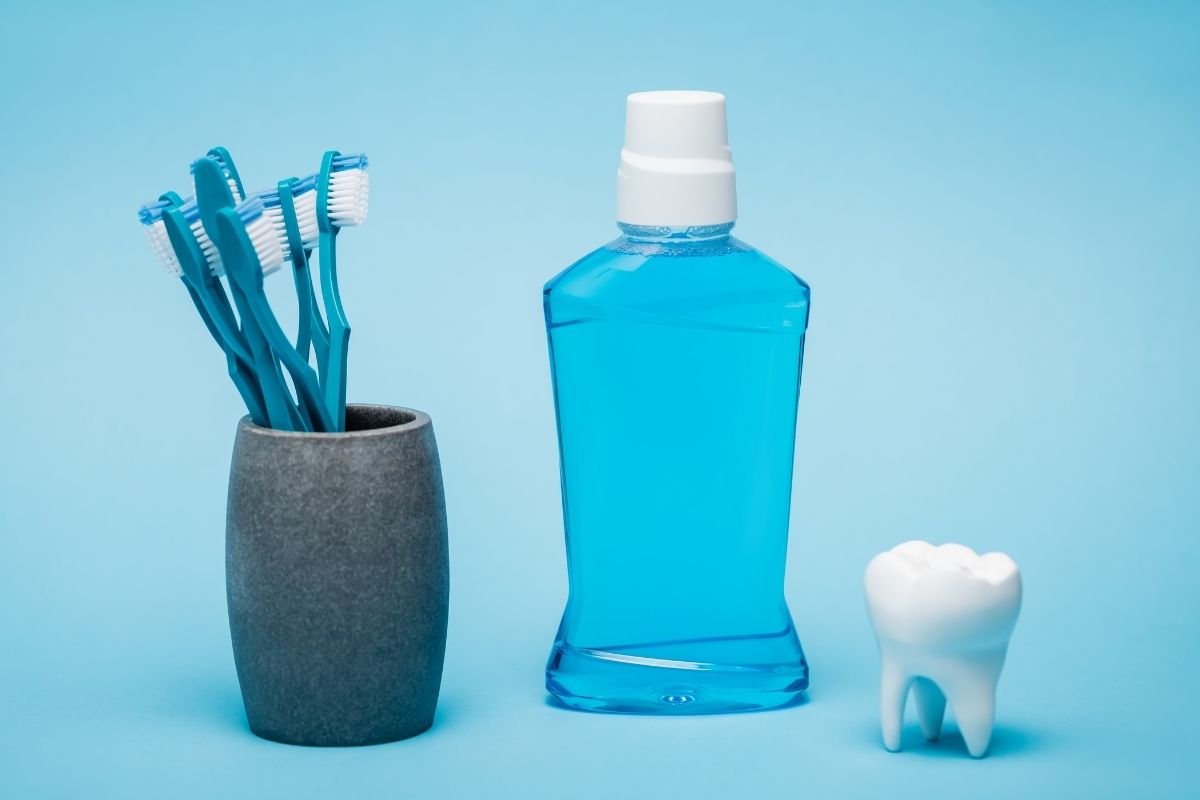
It is common to rely on simple at-home remedies for everyday oral care. When gums feel irritated or if something feels off, many people turn to salt water. Others prefer to use mouthwash daily as part of their routine to keep their mouths feeling clean and fresh.
Both approaches are widely used, but they are not the same. They serve different purposes, and using one in place of the other without understanding the difference can limit the effectiveness of your oral care routine.
While these habits can support your oral health, they do not replace preventive dental care. Regular checkups and cleanings are essential for catching issues early and maintaining long-term dental health.
For families in Geismar and Dutchtown, having access to a dental office that provides both preventive and comprehensive care is an important part of staying on track. At 73 Smiles, our team works with patients of all ages, and with Dr. Willis, the focus is on helping patients understand how daily habits like rinsing fit into a comprehensive approach to oral health.
What Does a Salt Water Rinse Actually Do?
Salt water is a simple, home-based rinse often used for mouth discomfort or irritation.
What it helps with:
- Reducing bacteria temporarily
- Soothing inflamed or swollen gums
- Keeping the mouth clean during healing
- Providing short-term relief from irritation
Salt water creates a mild cleansing environment that can help calm tissues, which is why it is often recommended after certain dental procedures or when gums feel sensitive.
When it is typically used:
- After tooth extractions or minor procedures
- During episodes of gum irritation
- For temporary relief from soreness
It is important to understand that salt water is not designed for long-term prevention of cavities or gum disease.
What Does Mouthwash Do?
Mouthwash is a formulated dental product designed to support daily oral hygiene. Unlike salt water, it contains active ingredients that target specific oral health concerns.
Common types of mouthwash:
- Antibacterial mouthwash: Helps reduce plaque and bacteria
- Fluoride mouthwash: Strengthens enamel and helps prevent cavities
- Cosmetic mouthwash: Focuses on freshening breath
Benefits of using mouthwash:
- Reaches areas that brushing and flossing may miss
- Helps control bacteria more effectively
- Supports enamel protection when fluoride is included
- Provides a consistent level of daily support
Mouthwash is typically used as part of a regular oral care routine, depending on individual needs.
Salt Water vs. Mouthwash: What Is the Real Difference?
The key difference lies in their purpose and usage.
- Salt water is a temporary, supportive rinse used for soothing and healing
- Mouthwash is a daily-use product designed for prevention and maintenance
Salt water does not contain the active ingredients needed for long-term protection against cavities or gum disease. Mouthwash, when chosen correctly, can actively support those goals.
Which One Should You Use?
The choice depends on your current oral health condition and what you are trying to address.
Salt water may be appropriate if you:
- Are dealing with temporary gum irritation
- Recently had dental treatment
- Need a gentle rinse for short-term relief
Mouthwash may be more suitable if you:
- Want to reduce plaque and bacteria daily
- Are prone to cavities
- Need additional support beyond brushing and flossing
- Have been advised to use a specific type of rinse
In many cases, both can be used at different times rather than choosing one over the other.
Why Rinses Alone Are Not Enough
One of the most common misconceptions is that rinsing can replace professional dental care. While both salt water and mouthwash can support oral hygiene, they cannot:
- Detect early cavities
- Identify gum disease in its initial stages
- Remove hardened plaque (tartar)
- Address underlying structural issues
Routine dental visits are essential because many dental problems develop without noticeable symptoms in the early stages.
At 73 Smiles, we provide preventive checkups, cleanings, and treatment as needed to support your overall dental health. With Dr. Willis, the focus is on ensuring that your daily habits truly support your oral health, not just provide temporary relief.
When to See a Dentist Instead of Relying on Rinses
If you find yourself repeatedly using salt water or mouthwash to manage symptoms, it may be time for a professional evaluation.
You should schedule a visit if you notice:
- Ongoing gum irritation or swelling
- Persistent bad breath
- Tooth sensitivity or discomfort
- Bleeding when brushing or flossing
Getting a clear diagnosis early can prevent more complex issues later.
We believe high-quality dental care should be as convenient as it is comprehensive. Our office is perfectly situated just off Highway 73, making us a quick and easy stop for your routine checkups or more urgent dental needs.
We operate during regular weekday hours and are always happy to welcome new patients into our dental family. We proudly serve our neighbors from all across the region, including Dutchtown, Prairieville, and Gonzales. If you are looking for a trusted dentist for yourself or your family, Dr. Willis is here to help you achieve a healthy, confident smile.
Final Thoughts
Salt water and mouthwash both have their place in oral care, but they are not interchangeable. Salt water is useful for short-term relief and healing. Mouthwash is designed for ongoing support and prevention. Understanding when to use each one helps you get better results from your daily routine.