
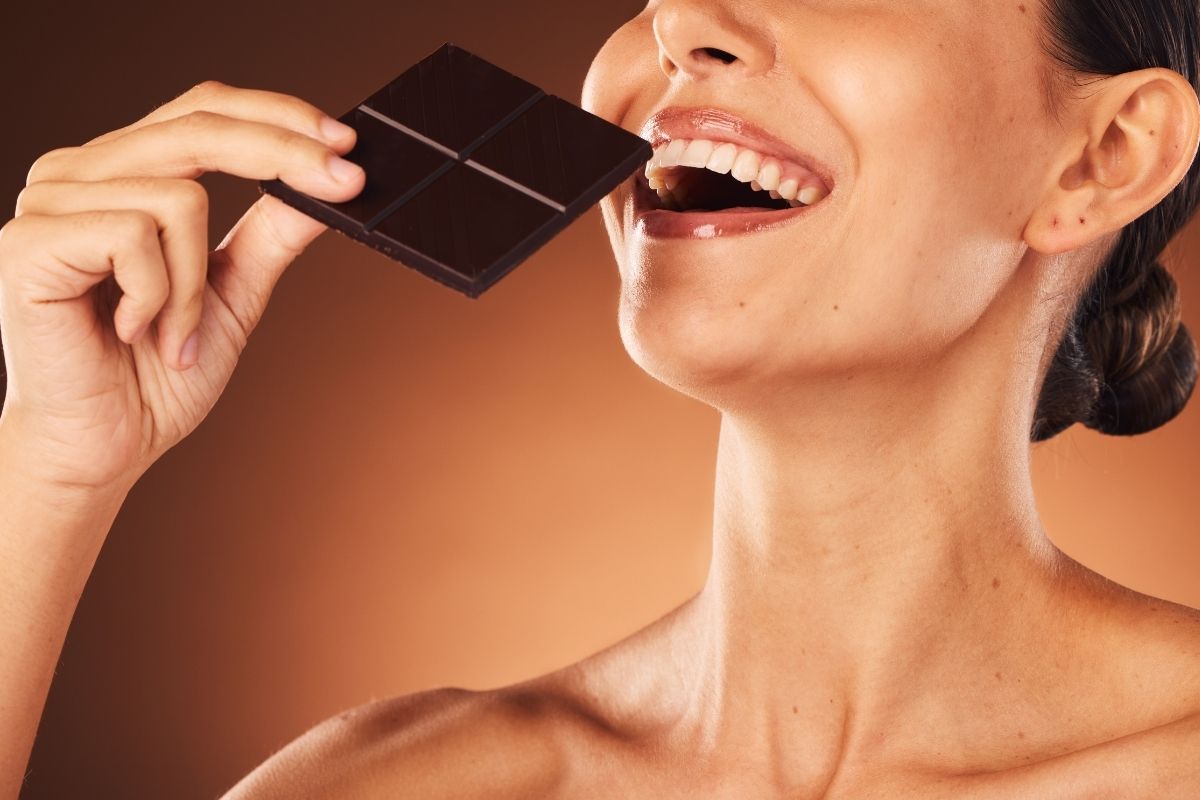
Chocolate is often linked to cavities, but dark chocolate is frequently labeled as the healthier option. From an oral health perspective, the answer is not simply good or bad. Dark chocolate can be less harmful than many sweets, yet it still has the potential to affect your teeth if eaten carelessly.
At 73 Smiles, patient education about how food choices influence oral health is an important part of preventive care. Understanding how dark chocolate interacts with your teeth helps you make smarter decisions without unnecessary fear.
What Makes Dark Chocolate Different From Other Sweets
Dark chocolate contains a higher percentage of cocoa and usually less sugar than milk chocolate. Cocoa is rich in plant-based compounds called flavonoids and polyphenols. These natural substances have antioxidant and antibacterial properties, which is where the idea of dental benefits comes from.
However, dark chocolate still contains sugar and is considered a sweet, so its effects on teeth depend on frequency, portion size, and oral hygiene habits.
Possible Benefits of Dark Chocolate for Oral Health
While no chocolate replaces brushing and flossing, dark chocolate may be less damaging than many other sugary snacks.
Lower Sugar Content
Many dark chocolate varieties, especially those with higher cocoa percentages, contain less sugar than milk chocolate or candy bars. Since cavity-causing bacteria feed on sugar and produce acid that weakens enamel, lower sugar means reduced risk.
Cocoa Compounds and Bacteria
Certain compounds in cocoa have been shown to slow the activity of bacteria associated with plaque formation. Plaque buildup is a major factor in both cavities and gum disease.
Less Stickiness
Plain dark chocolate tends to melt and clear from the mouth more easily than sticky candies such as caramel or gummies. Sticky foods cling to teeth and provide bacteria with a steady sugar source.
These factors can make dark chocolate a better option compared to many other desserts, but it is not protective on its own.
How Dark Chocolate Can Still Harm Your Teeth
Despite its advantages, dark chocolate can still contribute to dental problems.
Sugar Still Feeds Bacteria
Even small amounts of sugar allow oral bacteria to produce acids that attack enamel. Repeated exposure increases the risk of tooth decay.
Frequent Snacking Raises Risk
Every time sugar is consumed, the mouth becomes more acidic. Snacking on dark chocolate throughout the day keeps teeth under repeated acid attack without enough recovery time.
Added Ingredients Matter
Dark chocolate that includes caramel, dried fruit, or sugary fillings behaves more like sticky candy. These additions can lodge between teeth and increase cavity risk.
Smart Ways to Enjoy Dark Chocolate
From a dental health standpoint, how you eat sweets often matters as much as what you eat.
- Choose dark chocolate with 70 percent cocoa or higher when possible
- Eat it with a meal instead of as a separate snack
- Drink water afterward to help rinse away sugars
- Wait about 30 minutes before brushing after eating sweets
- Floss daily to remove food particles between teeth
These habits help reduce the impact of sugar and acid on enamel.
The Takeaway From a Dental Perspective
Dark chocolate is not a dental health food, but it can be a more tooth-friendly sweet when chosen carefully and eaten in moderation. Its cocoa compounds may offer some benefits, yet sugar exposure and frequency of consumption still play a major role in cavity risk.
Daily brushing with fluoride toothpaste, flossing, and professional dental care are far more important than any single food choice.
Schedule Your Dental Checkup
Regular dental checkups are key to maintaining healthy teeth and gums, especially when your diet includes sweets. At 73 Smiles, we serve individuals and families in Geismar and Dutchtown, and provide comprehensive exams, cleanings, and personalized guidance on protecting your smile.
Routine visits allow dental concerns to be identified early and help keep your oral health on the right track. If it has been a while since your last checkup, scheduling an appointment is an important step toward a healthier smile.