
Why Enamel Health Matters
Tooth enamel is the hard, outer layer that protects your teeth from decay and sensitivity. It is the hardest substance in the human body, but it is not indestructible. Once enamel is worn away, it cannot grow back. The good news is that you can strengthen and protect what remains by giving your body the right nutrients and daily care.
Everyday habits such as sipping acidic drinks, frequent snacking, or brushing too soon after meals can slowly wear enamel down. Professional dental care is important, but what you eat also has a powerful impact on enamel health.
This guide explores ten foods that naturally support enamel protection and explains the science behind them.
Understanding Enamel Erosion
Enamel erosion happens gradually over time. Acidic foods and beverages, stomach acid reflux, dry mouth, and normal aging can all weaken enamel. Early signs include:
- Tooth sensitivity to hot, cold, or sweet foods
- Yellowing as the dentin beneath the enamel becomes visible
- Rough or translucent edges
It is important to know that while enamel does not regenerate once it is gone, minerals can be redeposited onto weakened areas through a process called remineralization. The right nutrients, saliva, and fluoride all work together to make this possible.
How Food Helps: The Science of Remineralization
Remineralization depends on minerals such as calcium and phosphate, which bond to enamel and strengthen its surface. Vitamin D helps your body absorb these minerals efficiently. Saliva acts as the body’s natural repair system because it neutralizes acids and supplies the minerals your teeth need.
A balanced diet that supports saliva flow and delivers these nutrients can make a real difference in enamel health.
The 10 Best Foods That Support Tooth Enamel Naturally
1. Dairy Products: Milk, Cheese, and Yogurt
Dairy foods are rich in calcium and casein, two key elements for enamel protection. Cheese helps balance mouth pH and boosts saliva production, which naturally defends against acid wear.
2. Leafy Greens: Spinach, Kale, and Collard Greens
Leafy greens provide calcium, folate, and antioxidants that keep teeth and gums strong. Their low acidity makes them ideal for enamel protection.
3. Fatty Fish: Salmon, Sardines, and Mackerel
These fish are excellent sources of vitamin D, which allows your body to absorb and use calcium effectively. They also contain omega-3 fatty acids that support gum and bone health.
4. Nuts and Seeds: Almonds, Sesame, and Sunflower Seeds
Nuts and seeds deliver calcium, phosphorus, and healthy fats while being low in sugar. They also stimulate saliva flow when chewed, providing a natural defense against acid buildup.
5. Eggs
Eggs are a great source of vitamin D and protein. The combination supports both enamel and gum tissue, helping maintain overall oral strength.
6. Green Tea
Green tea contains polyphenols, plant compounds that help reduce bacteria and neutralize acids in the mouth. Unsweetened green tea can be a simple and enamel-friendly beverage choice.
7. Crunchy Fruits and Vegetables: Apples, Carrots, and Celery
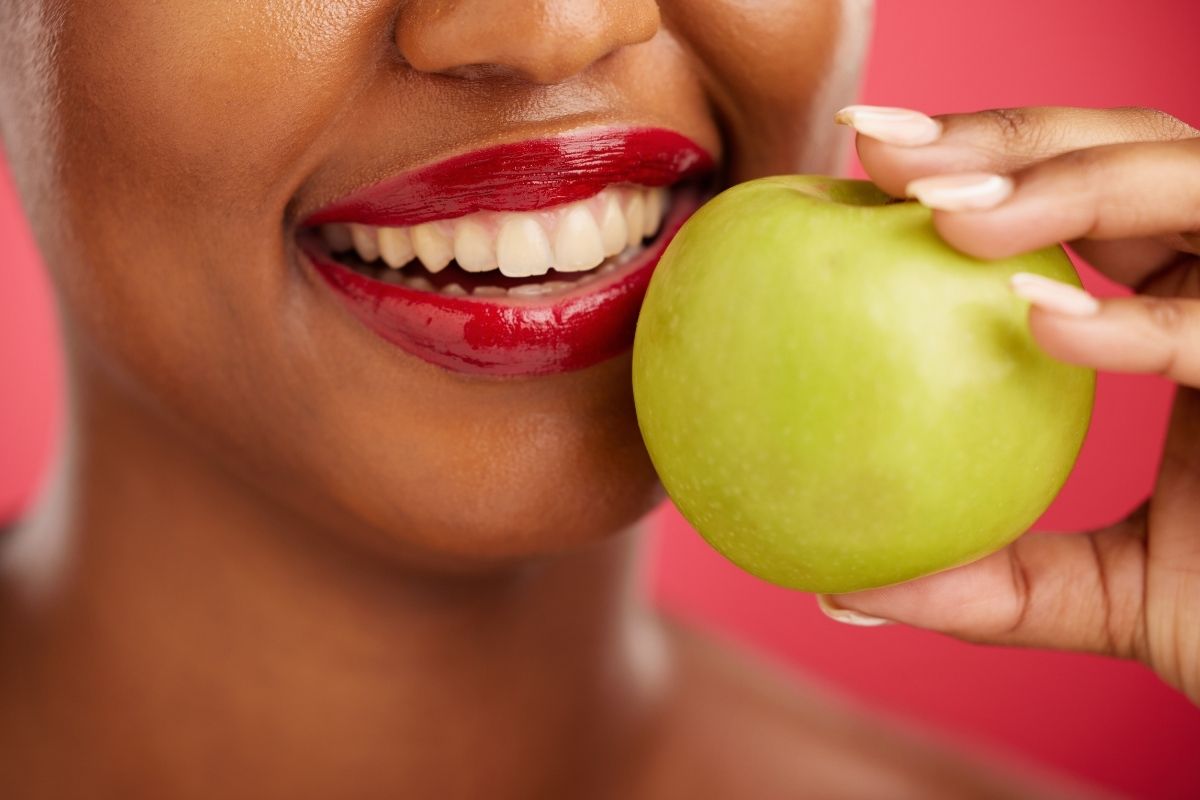
These foods act like natural toothbrushes. Their crisp texture gently scrubs teeth, and the chewing action increases saliva production, which helps neutralize acids.
8. Water (Preferably Fluoridated)
Water rinses away food particles and acids between meals. Fluoridated water also provides fluoride ions, which bond with enamel to make it more resistant to decay.
9. Coconut Oil
Coconut oil has antimicrobial properties that may help maintain a healthy oral environment. Swishing a small amount, a practice known as oil pulling, can help reduce harmful bacteria. It should never replace brushing or flossing.
10. Whole Grains
Whole grains such as oats, brown rice, and whole wheat provide B vitamins, iron, and magnesium, which help maintain strong bones and gums. They also support balanced blood sugar levels, which reduces the risk of acid attacks linked to frequent snacking.
Foods and Habits That Harm Enamel
Even the healthiest diet cannot fully protect enamel if certain habits persist. Try to limit:
- Acidic beverages such as soda, energy drinks, and citrus juices
- Sticky candies and frequent sugary snacks
- Brushing immediately after eating acidic foods
Instead, rinse your mouth with water and wait about 30 minutes before brushing so enamel can re-harden.
Lifestyle Tips to Support Enamel Health
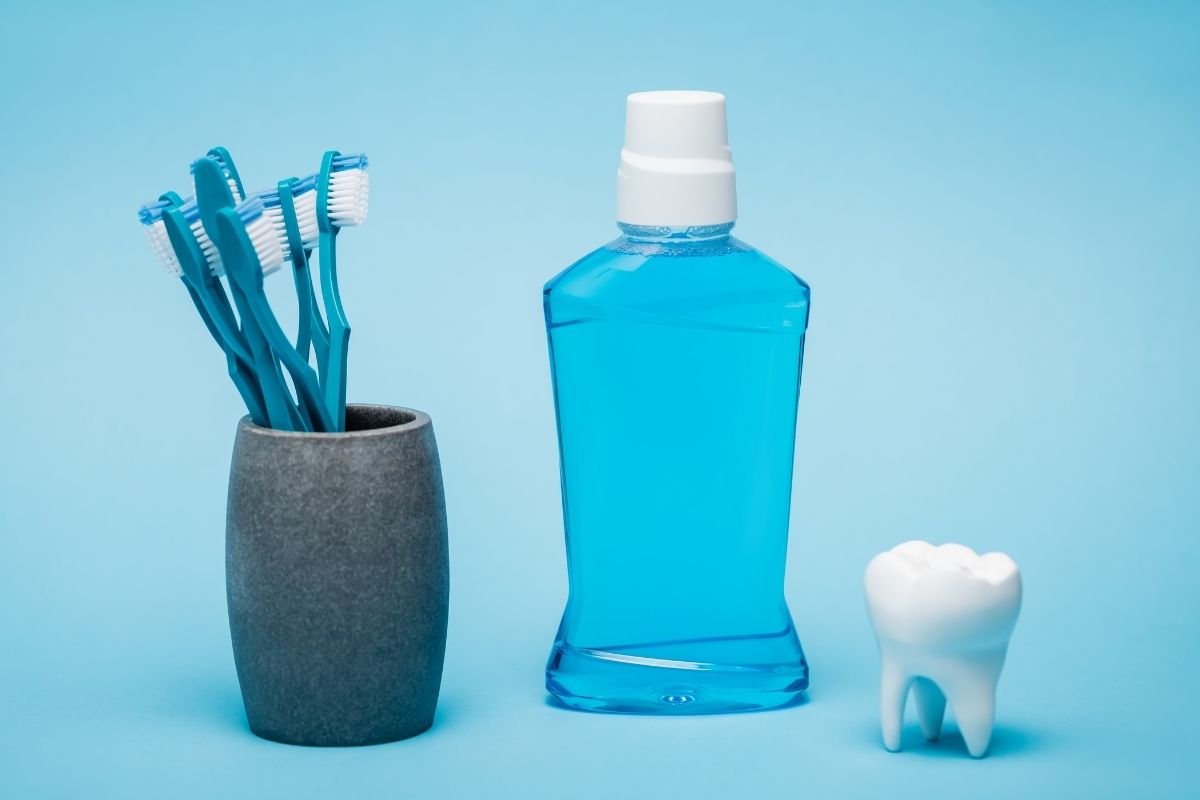
- Brush twice daily with fluoride toothpaste
- Floss every day to remove plaque between teeth
- Rinse with water after meals or snacks
- Stay hydrated to maintain saliva flow
- Use a soft-bristled toothbrush to avoid mechanical wear
- Schedule regular dental visits for cleanings and fluoride treatments
These small habits work together to keep enamel strong and your smile healthy for years to come.
When to See a Dentist
If you notice persistent sensitivity, yellowing, or roughness on your teeth, it may be time for a professional evaluation. A dentist can assess enamel wear, apply fluoride varnishes, and offer personalized advice to prevent further damage. In some cases, professional remineralization treatments or sealants may be recommended to protect vulnerable areas.
If you are looking for a team that supports your family’s overall dental health in the Geismar or Dutchtown area, visit 73 Smiles. Our practice in Dutchtown provides personalized dental care for every age group. We take the time to understand your needs, guide you with the right approach, and help you feel comfortable and heard. Our goal is simple: to help you smile confidently and naturally again.
The Bottom Line
Your diet plays an important role in maintaining strong enamel. Foods rich in calcium, phosphate, and vitamin D, combined with good oral hygiene, can help protect teeth naturally. Although enamel cannot grow back once lost, it can be strengthened and safeguarded through mindful daily choices.
If you are concerned about enamel wear or sensitivity, schedule a dental checkup with us to learn more about preventive options tailored to your needs. Small changes today can make a lasting difference in your smile’s strength and comfort.