
Toothaches and gum swelling can strike at the most inconvenient times and when they do, one of the most common first-aid remedies people reach for is a salt water rinse. It’s natural, inexpensive, and easy to make at home. But can it actually treat a tooth infection?
If you’re experiencing pain or swelling and searching for answers, this guide will walk you through what salt water can and cannot do, what a tooth infection really involves, and when it’s time to seek professional care.
What Exactly Is a Tooth Infection?
A tooth infection, also called a dental abscess, happens when harmful bacteria enter the inner layers of the tooth or surrounding gum tissue. This usually results from untreated cavities, cracks, gum disease, or injury. As bacteria multiply, pus can build up, leading to pain, swelling, and other serious symptoms.
Common signs of a tooth infection include:
- Persistent, throbbing pain in the tooth, jaw, or face
- Swollen gums or cheeks
- Sensitivity to hot or cold temperatures
- A bad taste in the mouth or foul breath
- Fever, fatigue, or swollen lymph nodes
An untreated infection can spread quickly — not only within the mouth but potentially to other parts of the body. That’s why timely evaluation and care are so important.
Can Salt Water Help a Tooth Infection?
Salt water is well-known for its antiseptic and anti-inflammatory properties. It can help reduce bacteria in the mouth, calm irritated tissue, and support healing after minor oral issues — but it’s not a cure for an active infection.
Here’s what salt water can do:
- Soothe gum inflammation
- Clean out debris and food particles
- Reduce surface-level bacteria temporarily
- Provide mild relief from discomfort
Here’s what it can’t do:
- Eliminate an infection inside a tooth or gum pocket
- Replace antibiotics or professional treatment
- Drain an abscess or stop infection from spreading.
In short, salt water is helpful, but limited. It’s best used as a short-term supplement — not a substitute for proper dental care.
How to Safely Use a Salt Water Rinse
If you’re experiencing pain and need temporary relief before your dental appointment, a salt water rinse may offer some comfort.
How to make a safe rinse:
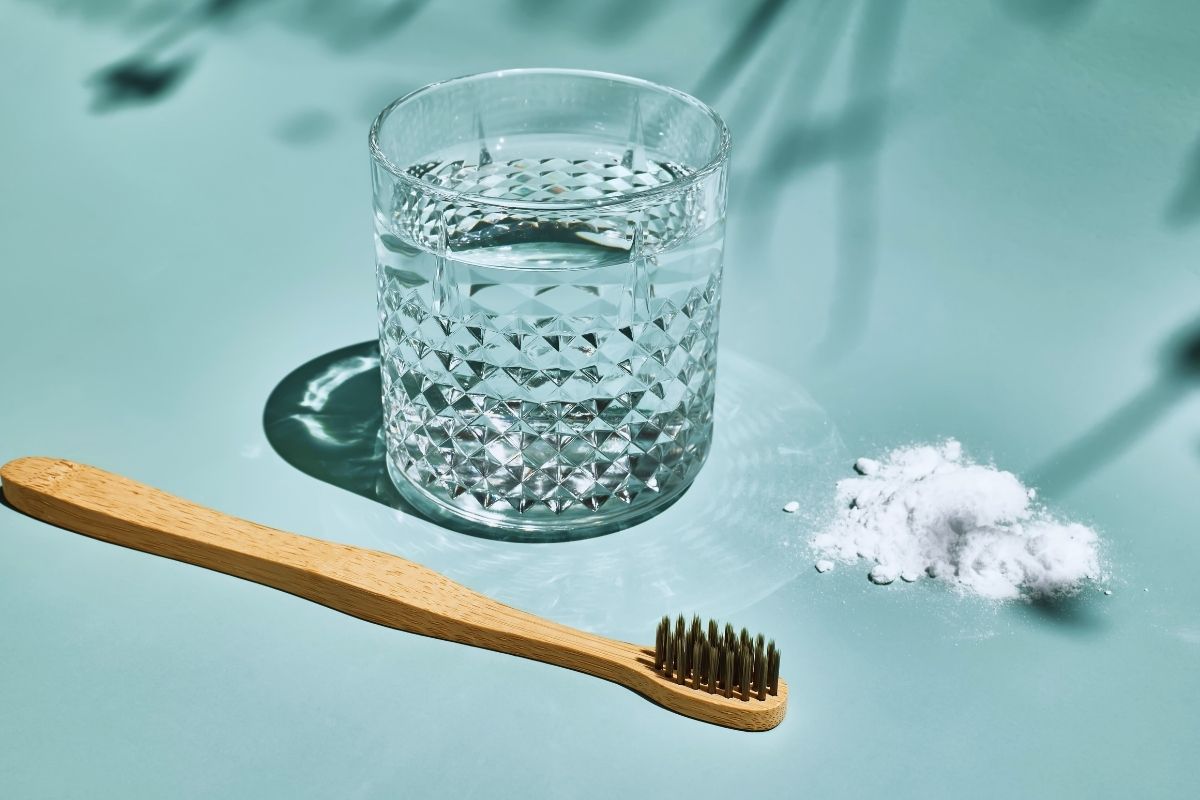
- Mix ½ teaspoon of salt into 8 ounces of warm water
- Stir until the salt dissolves completely
- Swish the solution gently in your mouth for 30 seconds
- Spit it out — do not swallow
- Repeat 2–3 times per day as needed
Avoid overuse, as excessive salt can irritate the tissues in your mouth and slow down healing.
Why You Still Need to See a Dentist
While salt water can help manage symptoms temporarily, it won’t eliminate the root cause of a tooth infection. Dental infections often involve bacteria that have reached the tooth’s nerve or surrounding bone — areas a rinse simply can’t reach.
Depending on the severity of the infection, treatment may involve:
- Antibiotic therapy
- Root canal treatment
- Drainage of the abscess
- Tooth extraction (in advanced cases)
The sooner you receive care, the more options you’ll have and the more likely you are to save the tooth and avoid complications.
If you’re located in Geismar or Dutchtown, we are ready to help you get the care you need.
What to Do Next
If you’re currently dealing with a painful tooth or swollen gums, don’t wait and hope it goes away. While salt water rinses offer a safe and simple way to ease symptoms, they’re not a solution for infection. A consultation with a trusted dental team can give you clarity, comfort, and a clear path forward. We serve patients from Geismar, Dutchtown, Prairieville, and surrounding neighborhoods, offering accessible dental care tailored to their needs.
To learn more about the care we provide and the treatments available, consult with us to find the right solution for your needs. We’re here to help you protect your smile and your health.
Frequently Asked Questions
Can salt water draw out infection from a tooth?
Salt water may help clear surface bacteria and reduce swelling, but it does not draw out infection or pus from within the tooth or gum.
Can I skip the dentist if I use salt water and feel better?
Even if symptoms improve temporarily, the infection may still be present. Delaying treatment increases the risk of serious complications.
Is it okay to rinse with salt water every day?
Yes, for short-term use. But overuse can dry out or irritate tissues, so it’s best to use only as needed.
How soon should I see a dentist for a suspected tooth infection?
Ideally within 24–48 hours. If you have swelling, fever, or intense pain, seek care immediately.