
Worn teeth can gradually change the appearance of your smile, making teeth look shorter, flatter, uneven, or more yellow than usual. If you notice these changes, visiting a cosmetic dentist can help identify the cause of the wear and determine which treatments may improve your smile. At 73 Smiles in Geismar, patients can explore options for addressing visible tooth wear while protecting their long-term oral health. The right treatment depends on how much enamel has been lost, whether your bite is affected, and what is causing the damage.
What Causes Teeth to Wear Down?
Tooth wear often develops slowly, so you may not notice the changes until they become more visible in photographs or when you look closely at your smile. Several everyday habits and dental conditions can contribute to worn teeth.
Teeth grinding and clenching: Grinding your teeth, especially during sleep, places repeated pressure on the enamel. Over time, this can flatten the chewing surfaces, create small cracks, and make teeth appear shorter.
Acid erosion: Frequent exposure to acidic foods and drinks can weaken enamel. Soft drinks, citrus juices, and acid reflux may contribute to enamel erosion, leaving teeth more vulnerable to wear.
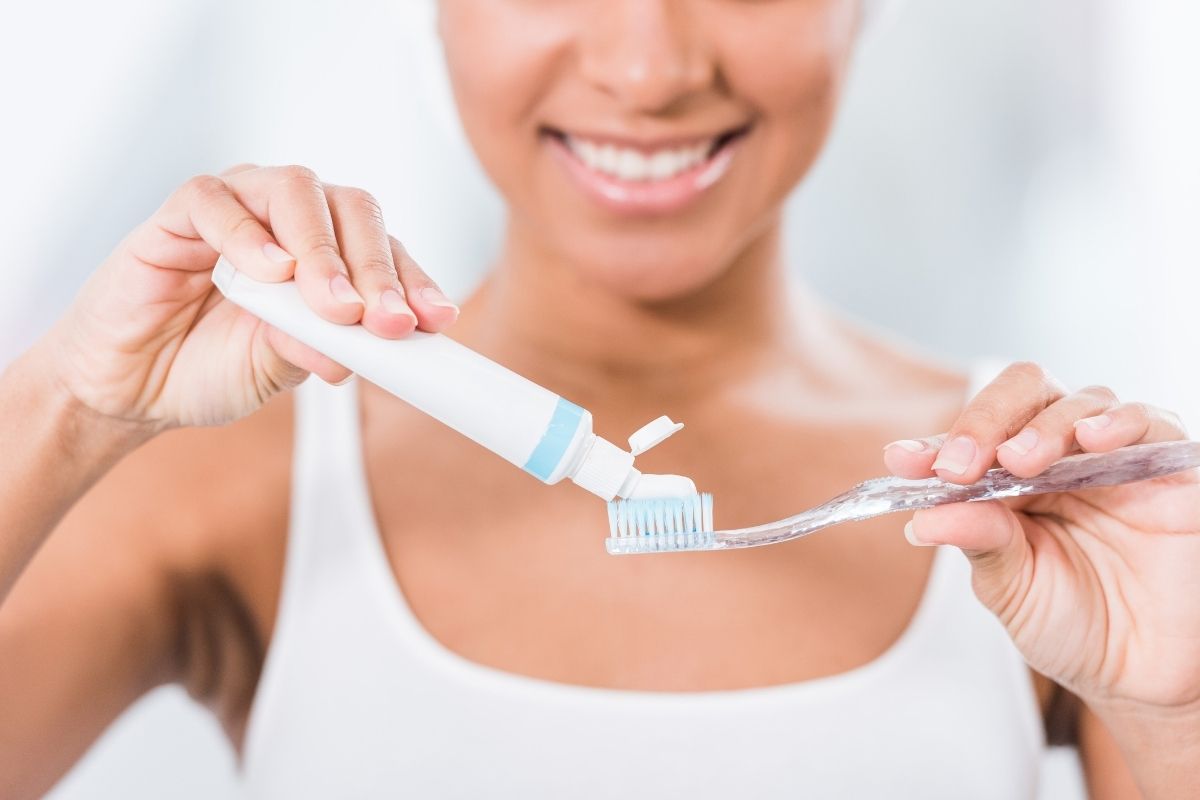
Aggressive brushing: Brushing with excessive pressure or using a hard-bristled toothbrush can contribute to enamel and gum damage, particularly near the gumline.
Uneven bite pressure: When your teeth do not meet evenly, certain teeth may experience more stress than others. This can contribute to uneven wear and discomfort while chewing.
Understanding the cause is important because restoring the appearance of worn teeth without addressing the underlying problem may lead to further damage.
How Can Worn Teeth Change Your Smile?
Enamel does not grow back once it is lost. As teeth wear down, several changes may become noticeable.
- Shorter-looking teeth: The front teeth may lose their natural length, affecting the balance of your smile.
- Flat or uneven edges: Incisal edges may appear chipped, flattened, or irregular.
- Increased yellowing: As enamel becomes thinner, the naturally yellow dentin underneath may become more visible.
- Small chips and cracks: Weakened or heavily worn teeth may become more prone to damage.
- Changes in facial appearance: Significant wear can reduce the visible height of the teeth and, in some cases, affect the way your teeth support your lips and lower face.
These changes are not always purely cosmetic. Tooth sensitivity, jaw discomfort, or difficulty chewing may indicate that the wear is affecting your dental health as well.
When Should You See a Cosmetic Dentist?
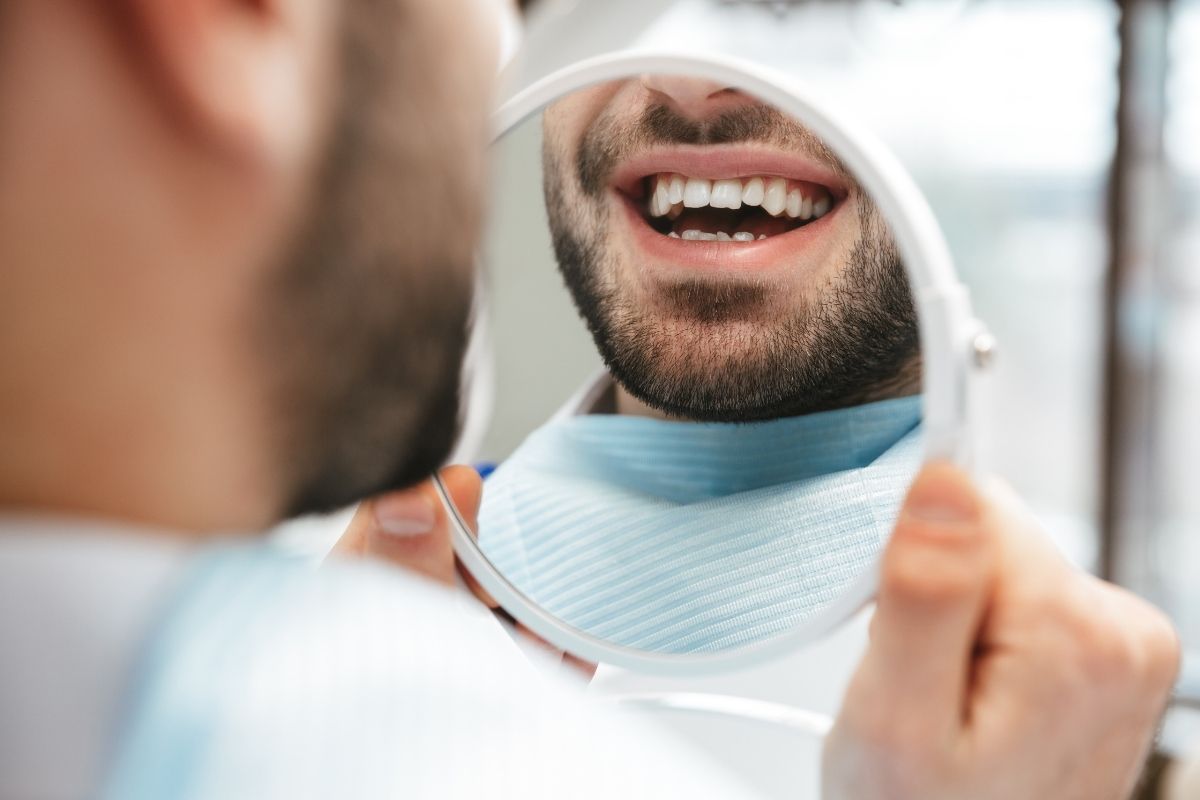
Consider scheduling a dental evaluation if your teeth appear noticeably shorter, their edges are becoming uneven, or your smile looks different than it did a few years ago. Early assessment can help identify the extent of the wear before it progresses. You should also seek an evaluation if you experience sensitivity to hot or cold foods, recurring chips, pain when biting, or signs of nighttime teeth grinding. Persistent jaw soreness or morning headaches may also be associated with clenching, although these symptoms can have other causes.
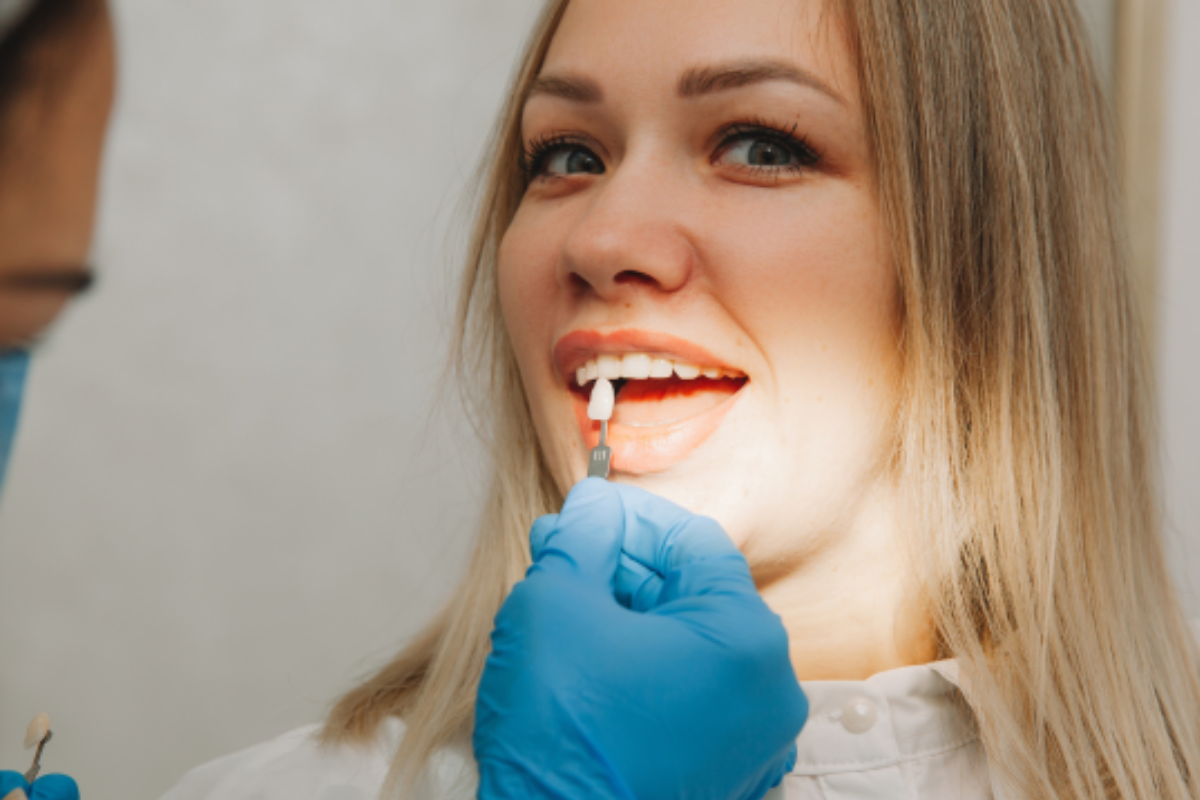
A cosmetic dentist can examine your teeth, assess your bite, and look for signs of enamel erosion or grinding. Depending on your symptoms, dental X-rays or other diagnostic steps may be recommended to check for damage that is not visible during a routine examination. If you have sudden tooth pain, a broken tooth, or significant sensitivity, arrange a prompt dental visit rather than waiting for a routine cosmetic consultation.
Patients looking for the best cosmetic dentist in Geismar should prioritize a provider who explains treatment choices clearly, discusses the benefits and limitations of each option, and recommends an approach suited to their dental health.
What Cosmetic Dental Treatments Can Help Restore Worn Teeth?
The most suitable treatment depends on the amount of tooth structure remaining, your bite, and your overall oral health.
Dental bonding: Tooth-colored composite resin can repair small chips, reshape uneven edges, and improve the appearance of mildly worn teeth. It is often a conservative option when the damage is limited.
Porcelain veneers: Veneers cover the front surfaces of selected teeth and can improve their shape, length, and color. They may be appropriate for certain cases of visible wear when enough healthy tooth structure remains.
Dental crowns: For teeth with substantial structural damage, crowns may provide coverage and restore their shape and function. Your dentist will determine whether a crown is appropriate based on the remaining tooth structure.
Teeth whitening: If discoloration is a concern and the enamel is healthy enough for whitening, professional treatment may brighten your smile. Whitening alone, however, cannot restore lost enamel or correct flattened tooth edges.
Your dentist may also recommend a custom night guard if grinding is contributing to the wear. Treating the cause helps protect the results of cosmetic dental care.
Conclusion
Worn teeth can affect your smile’s shape, color, and balance, but the changes do not always require extensive treatment. Identifying the cause early can help prevent additional wear and preserve healthy tooth structure. Whether the concern involves flattened edges, discoloration, or damaged enamel, a professional evaluation can clarify which options are appropriate.
If you have noticed changes in your teeth, schedule an appointment with 73 Smiles in Geismar, to discuss your concerns and learn how to protect your teeth while improving the appearance of your smile.