

If you’ve ever wondered what really happens during your veneer transformation step-by-step in Geismar, you’re not alone. Many patients feel nervous simply because they don’t know what to expect. At 73 Smiles, Dr. Cole Willis believes that understanding each phase of treatment makes the entire experience more comfortable. This guide breaks down every stage — from your very first consultation to the moment your final veneers are bonded in place.
Step One: Your Veneer Consultation in Geismar
Every successful veneer journey begins with a thorough consultation. During this visit, Dr. Willis evaluates your oral health, discusses your smile goals, and determines whether veneers are the right fit for you. X-rays and photos help build a clear picture of your current dental condition. This appointment is also the perfect time to ask every question on your mind.
At 73 Smiles, Cosmetic Dentistry starts with listening. Dr. Willis takes time to understand what bothers you about your current smile. Maybe your teeth are chipped, discolored, or slightly uneven. Veneers can address all of these concerns in one streamlined process.
You’ll also discuss candidacy during this first visit. Patients with healthy gums and sufficient enamel are typically ideal candidates. If gum disease or decay is present, that must be treated first. Setting a strong foundation always leads to better, longer-lasting results.
Shade Selection and Smile Design: Personalizing Your Results
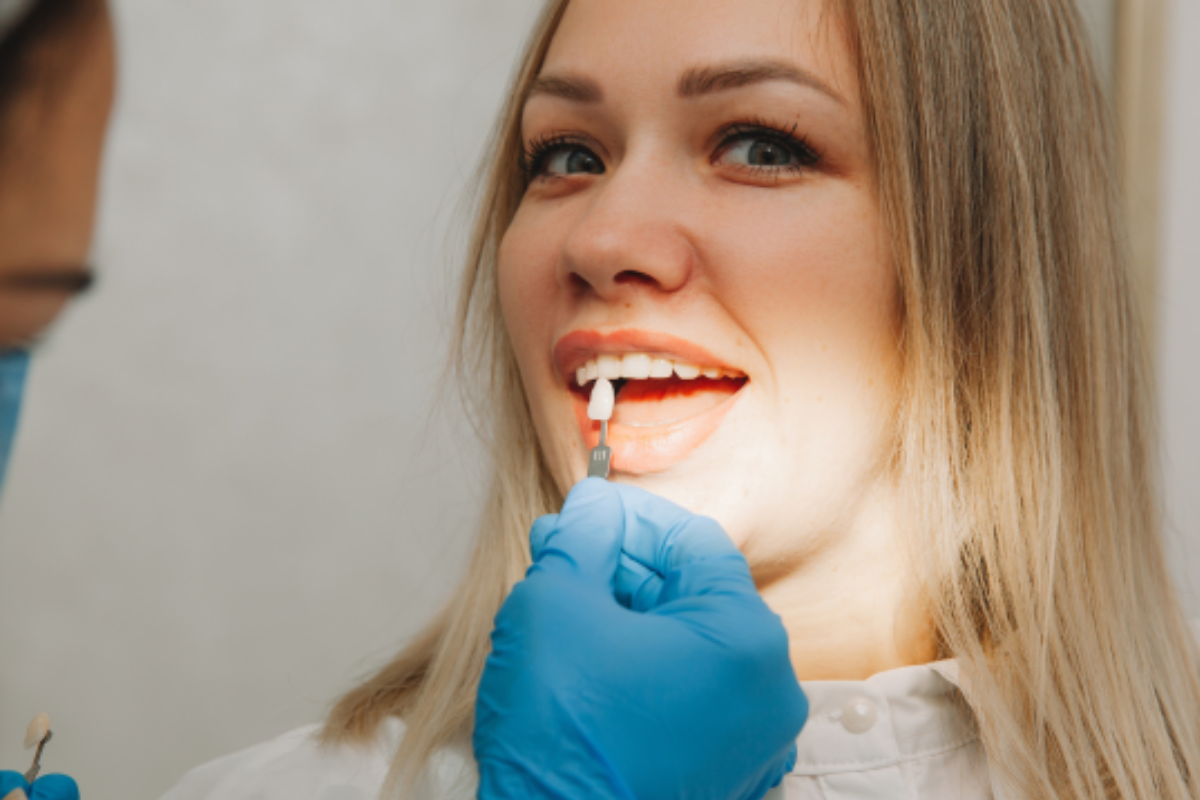
One of the most exciting parts of the veneer process is choosing your shade. This step happens early — often during or just after your consultation. Dr. Willis uses a professional shade guide to help you select a natural-looking white that complements your skin tone. Your input matters enormously here, so don’t be shy about your preferences.
Many patients worry about ending up with teeth that look fake or too bright. The good news is that modern veneers are designed to mimic natural enamel beautifully. Translucency, texture, and color are all carefully considered. The goal is a smile that looks like you — just better.
Digital smile previews may also be used at 73 Smiles. These tools let you visualize your new smile before any work begins. This collaborative approach helps ensure you feel confident and excited going into the procedure. There are no surprises — just a smile you’ve already approved.
Tooth Preparation and Enamel Removal: What You Should Know
This is the stage that causes the most questions among patients. To place veneers, Dr. Willis removes a thin layer of enamel from the front surface of each tooth. Typically, this amounts to about 0.5 millimeters — roughly the thickness of a contact lens. This step is necessary so veneers sit flush with your natural teeth.
Here’s an important fact: enamel removal is permanent. Once this step is complete, those teeth will always need some form of restoration. This is why the consultation phase is so critical. Dr. Willis makes sure every patient fully understands this commitment before moving forward.
Local anesthesia is used during preparation to keep you comfortable. Most patients report feeling pressure rather than pain. The process is precise and carefully controlled. Dr. Willis uses conservative techniques to remove only what’s absolutely necessary.
- Enamel removal is minimal — usually 0.5 mm or less
- Local anesthesia ensures comfort throughout the process
- Only healthy teeth with sufficient enamel qualify for veneers
- The preparation stage typically takes one to two hours
- Impressions or digital scans are taken immediately after preparation
Once preparation is complete, impressions or digital scans are sent to a dental lab. Skilled technicians craft your custom veneers based on Dr. Willis’s specifications. This process typically takes one to two weeks. That’s where your temporary veneers come in.
The Temporary Veneer Phase: What to Expect
Between preparation and your final placement appointment, you’ll wear temporary veneers. These are crafted chairside and protect your prepared teeth. They also give you a preview of your new smile’s shape and length. Most patients love seeing their smile begin to take form.
Temporary veneers are not as durable as permanent ones. You’ll want to avoid hard, crunchy, or sticky foods during this phase. Biting into apples or chewing ice can dislodge them. A little extra care goes a long way over the one to two week waiting period.
Some sensitivity is completely normal while wearing temporaries. Your enamel has been reduced, making teeth slightly more reactive to temperature. This sensitivity almost always resolves once permanent veneers are bonded. Dr. Willis and the 73 Smiles team are always available if you have concerns during this phase.
Final Bonding: The Moment Your Smile Transforms
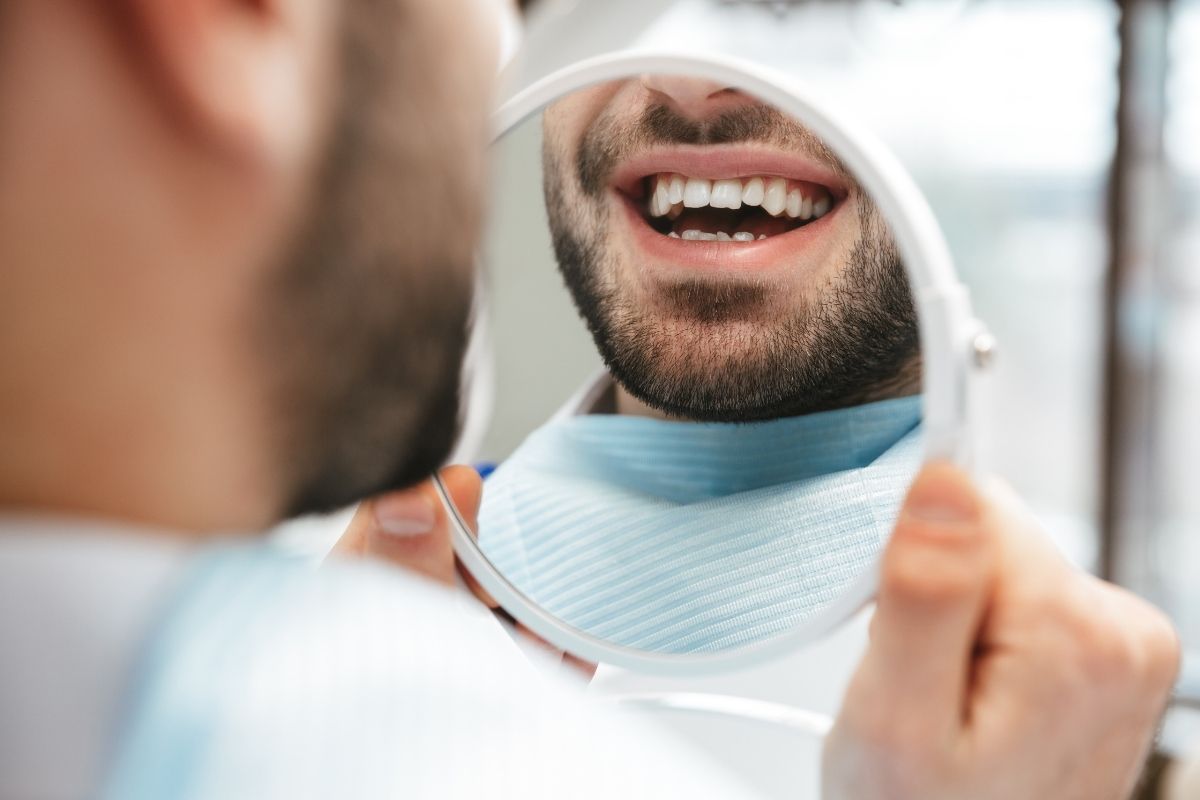
When your permanent veneers arrive from the lab, the transformation is nearly complete. Dr. Willis carefully removes your temporaries and cleans the surface of each prepared tooth. The permanent veneers are then placed temporarily so you can evaluate the fit and shade one last time. Any adjustments to shape or color happen before bonding begins.
Once you approve the look, each veneer is bonded using a powerful dental adhesive. A special curing light hardens the adhesive almost instantly. Dr. Willis then checks your bite carefully to ensure everything feels natural and comfortable. Any minor edge polishing is completed at this appointment.
- Your bite is checked and adjusted after bonding
- Each veneer is individually placed and cured with a special light
- You have final approval before permanent bonding takes place
- Polishing ensures smooth, natural-feeling edges
- Most patients leave their bonding appointment absolutely thrilled
The entire bonding appointment typically lasts two to three hours. It may feel long, but patients consistently say it’s worth every minute. You’ll walk out of 73 Smiles with a brand-new smile that same day. The transformation really is that immediate.
How Veneers Compare to Other Smile Restoration Options
Veneers are a popular choice, but they aren’t the only way to improve your smile. Some patients may benefit more from Dental Implants if they have missing teeth rather than damaged ones. Dr. Willis evaluates each patient individually to recommend the most appropriate treatment. There is no one-size-fits-all answer in cosmetic dentistry.
Veneers are ideal for teeth that are present but cosmetically compromised. They address chips, cracks, discoloration, and minor misalignment. Crowns may be recommended if a tooth has significant structural damage. The right treatment always depends on your unique oral health picture.
Dr. Willis will never recommend a procedure simply for appearance alone. Your long-term oral health always comes first. That’s the 73 Smiles difference — care that’s honest, thorough, and truly patient-centered.
Caring for Your Veneers After Treatment
Maintaining your veneers is straightforward and similar to caring for natural teeth. Brush twice daily with a non-abrasive toothpaste and floss regularly. Avoid using your teeth as tools and steer clear of biting on hard objects. With proper care, veneers can last ten to fifteen years or longer.
Regular checkups at 73 Smiles are essential. Dr. Willis monitors your veneers at every visit to catch any early issues. Professional cleanings keep the surrounding gum tissue healthy and your veneers looking their best. Skipping appointments can shorten the lifespan of your investment.
Ready to explore your own veneer transformation in Geismar? Dr. Cole Willis and the team at 73 Smiles are here to guide you every step of the way. You deserve a smile that makes you feel confident every single day. Book Now to schedule your appointment with our team.
Frequently Asked Questions
How long does the entire veneer process take from start to finish?
The complete veneer process at 73 Smiles typically takes two to three appointments spread over two to four weeks. The consultation, preparation, and bonding visits are each scheduled separately. The waiting period between preparation and bonding is for lab fabrication of your custom veneers. Most patients find the timeline very manageable.
Does getting veneers hurt?
Most patients experience very little discomfort during veneer placement. Local anesthesia is used during the preparation appointment to minimize sensitivity. Some patients notice mild soreness or temperature sensitivity after enamel removal, but this typically resolves quickly. Dr. Willis prioritizes your comfort throughout every phase of treatment.
Can veneers be whitened if they discolor over time?
Porcelain veneers are highly stain-resistant and do not respond to traditional whitening treatments. If you want a brighter smile, it’s best to whiten your natural teeth before veneers are placed. That way, Dr. Willis can match your veneer shade to your newly whitened teeth. Regular cleanings help maintain your veneers’ appearance over time.
What happens if a veneer chips or comes loose?
A chipped or loose veneer should be addressed promptly by visiting 73 Smiles. In some cases, small chips can be repaired directly. More significant damage may require replacement of the veneer. Avoiding hard foods and wearing a nightguard if you grind your teeth helps protect your investment.
Are veneers a good option for teens or younger patients?
Veneers are generally recommended for adults whose teeth have fully developed. Dr. Willis evaluates each younger patient on a case-by-case basis. In some situations, other cosmetic treatments may be more appropriate for patients still in their teens. A thorough consultation helps determine the best path forward for any patient.