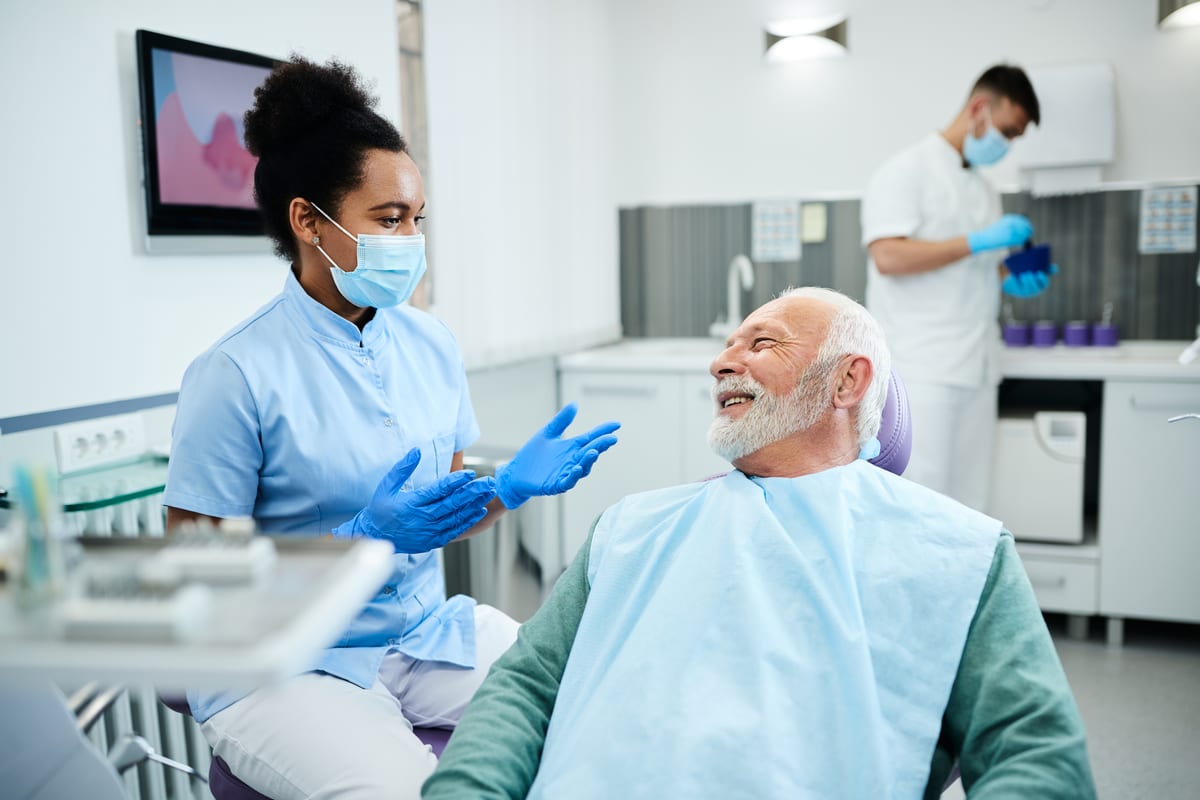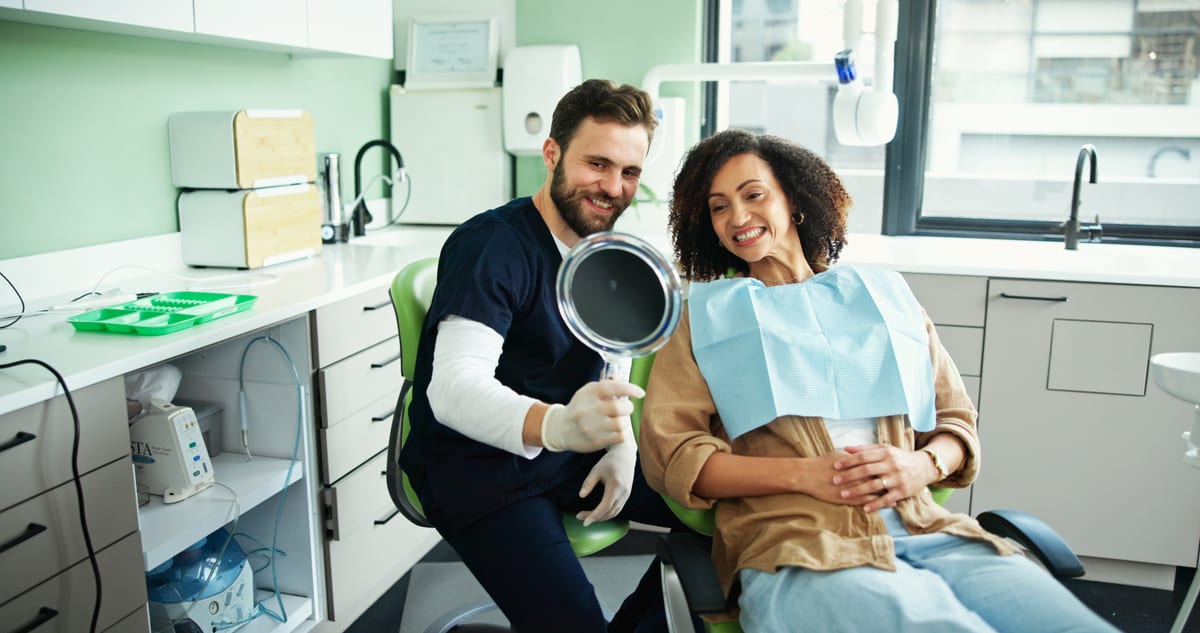

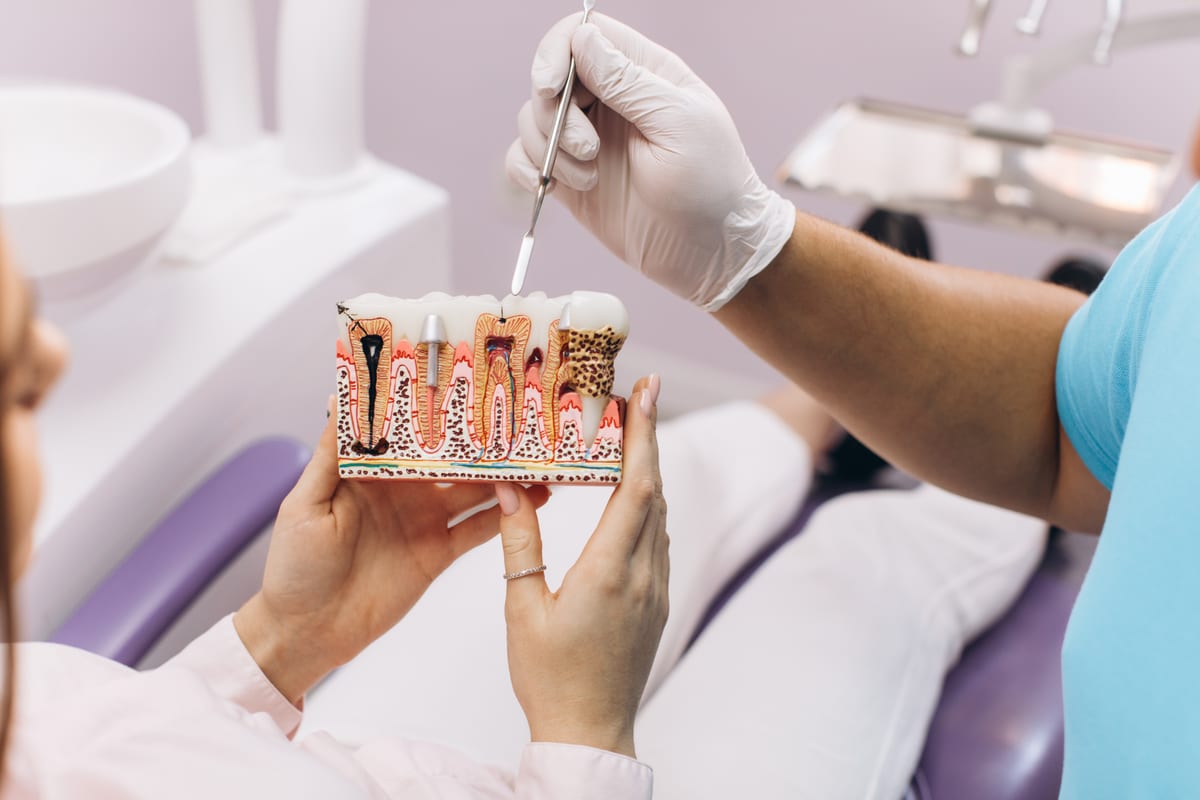
Root canal recovery doesn’t have to be scary. Most patients in Geismar are surprised by how manageable the healing process really is. Understanding what to eat, when pain stops, and red flags to watch makes a huge difference. At 73 Smiles, Dr. Cole Willis helps patients recover confidently every step of the way.
This guide gives you a clear, honest look at the root canal recovery process. Whether you just had your procedure or you’re preparing for one, this article is for you. Keep reading for practical tips grounded in real patient care.
What to Eat After a Root Canal in Geismar
Your diet plays a major role in how quickly you heal. The treated tooth and surrounding tissue need time to settle. Choosing the right foods prevents irritation and speeds up recovery.
For the first 24 to 48 hours, stick to soft foods only. Avoid anything hot, crunchy, or chewy. Your temporary or permanent crown needs time to fully set before you stress it.
Here are great food choices right after your procedure:
- Yogurt and smoothies
- Mashed potatoes and soft-cooked vegetables
- Scrambled eggs or soft-boiled eggs
- Applesauce and bananas
- Oatmeal and lukewarm soups
- Soft fish like tilapia
Avoid foods that are hard, sticky, or extremely hot. Nuts, chips, and caramel can crack a temporary crown. Cold drinks are generally fine, but avoid anything that causes sharp sensitivity. By day three or four, most patients can ease back into a normal diet.
When Does Pain Stop After a Root Canal?
Mild soreness after a root canal is completely normal. The tissue around the treated tooth experienced stress during the procedure. Your body needs a few days to calm that inflammation.
Most patients feel noticeable discomfort for two to three days after treatment. By day four or five, pain usually fades significantly. Full comfort typically returns within one to two weeks.
Over-the-counter pain relievers work well for managing discomfort. Here are the most commonly recommended options:
- Ibuprofen (Advil, Motrin): Reduces both pain and inflammation effectively
- Acetaminophen (Tylenol): Good for pain relief with less stomach irritation
- Naproxen (Aleve): Longer-lasting relief, often helpful at night
Dr. Cole Willis often recommends alternating ibuprofen and acetaminophen for stronger relief. Always follow the dosing instructions on the label. If OTC options aren’t managing your pain well, call 73 Smiles right away.
Tooth sensitivity to pressure may linger slightly longer than pain. This is especially true if the root canal involved a heavily infected tooth. Give your body the full two weeks before worrying about sensitivity.
Root Canal Recovery Red Flags to Watch in Geismar
Knowing the difference between normal healing and a problem is critical. Most discomfort is expected and temporary. But certain symptoms signal something that needs professional attention fast.
Watch for these red flags after your root canal procedure:
- Severe pain that gets worse after day three, not better
- Swelling that spreads to your cheek, jaw, or neck
- Fever over 100.4°F that doesn’t go away
- A bad taste or visible pus near the treated tooth
- The temporary crown falls out and is not replaced quickly
- Numbness or tingling that persists beyond 48 hours
Any of these symptoms means you should contact 73 Smiles immediately. A lost crown exposes the treated tooth to bacteria and reinfection. Swelling that spreads to the neck can become a serious medical emergency.
Mild bruising near the injection site is normal and not a red flag. Light spotting of blood on a gauze pad is also expected early on. The goal is staying alert to changes that feel unusual or worsening.
How to Care for Your Tooth During Recovery
Good home care after a root canal makes a real difference in your healing timeline. Small habits protect your treated tooth and prevent complications. Dr. Cole Willis recommends a simple routine for all root canal patients.
Avoid chewing on the treated side until your permanent crown is placed. A temporary crown is not as strong as a permanent one. Protecting it keeps the seal intact and prevents bacteria from getting inside.
Here are key recovery habits to follow at home:
- Brush gently around the treated tooth, twice daily
- Rinse with warm salt water two to three times per day
- Avoid alcohol-based mouthwashes for the first week
- Don’t smoke or use tobacco during recovery
- Keep follow-up appointments as scheduled
Sleep with your head slightly elevated for the first two nights. This helps reduce swelling and makes you more comfortable. Avoid strenuous exercise for the first 24 hours, as it can increase bleeding and swelling.
Once your permanent crown is placed, your tooth is fully protected. You can return to normal eating, brushing, and daily life. Crowns at 73 Smiles are designed to look and feel completely natural.
What Comes After Root Canal Recovery?
Root canal treatment saves a tooth that would otherwise need removal. After full recovery, that tooth can function normally for many years. Proper maintenance is the key to long-term success.
Some patients ask about tooth replacement options after learning about root canals. If a tooth cannot be saved, Dental Implants Geismar offers a permanent, natural-looking solution. Implants function just like real teeth and protect jawbone health over time.
Others use their recovery period to think about smile improvements overall. Services like Cosmetic Dentistry Geismar can enhance your results once your tooth has fully healed. Dr. Cole Willis takes a comprehensive approach to your long-term oral health.
Your follow-up appointment after a root canal is not optional. It allows Dr. Willis to confirm healing is on track. Skipping follow-ups is one of the most common reasons complications go unnoticed.
Conclusion: Recover With Confidence at 73 Smiles
Root canal recovery in Geismar is very manageable with the right guidance. Knowing what to eat, which pain relievers help, and what red flags to watch puts you in control. Dr. Cole Willis and the 73 Smiles team are here to support your full recovery. Book Now to schedule your appointment with our team.
Frequently Asked Questions
How long does it take to recover from a root canal?
Most patients feel significantly better within three to five days. Full recovery, including tissue healing around the tooth, typically takes one to two weeks. Following your aftercare instructions closely helps you heal faster.
Can I go to work the day after a root canal?
Many patients return to work the next day, especially for desk jobs or light activity. If your job involves physical labor, consider taking one extra day off. Listen to your body and avoid anything that increases swelling or pain.
Is it normal for my tooth to feel sensitive after a root canal?
Yes, mild sensitivity to pressure is completely normal after the procedure. This usually fades within one to two weeks. If sensitivity gets worse instead of better, call 73 Smiles for an evaluation.
What should I do if my temporary crown falls off?
Contact 73 Smiles right away if your temporary crown comes loose or falls out. An exposed treated tooth is vulnerable to bacteria and reinfection. Avoid eating on that side until you can be seen by Dr. Willis.
Do I need a crown after every root canal?
In most cases, yes. A crown protects the treated tooth from cracking under chewing pressure. Dr. Cole Willis will discuss whether a crown is needed based on the location and condition of your tooth.