

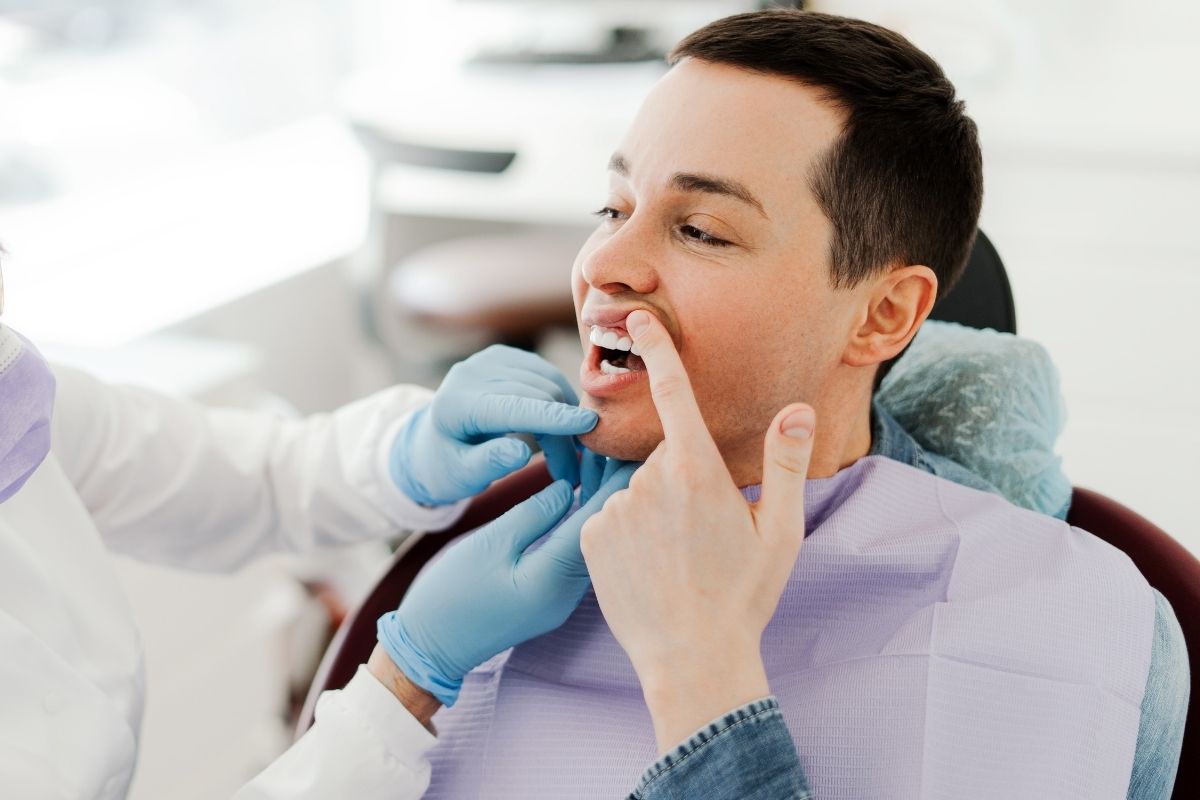
Tooth mobility in adults is never something to ignore. A loose or shifting tooth often causes understandable worry because healthy adult teeth are meant to stay firmly in place. When people notice movement, they often wonder if it could be caused by something hidden below the surface. One common question is whether a loose tooth can be a sign of a hidden cavity. Understanding the causes and knowing what to look for can help you take the right steps for your oral health.
What Tooth Mobility Really Means
Tooth mobility is the term dentists use when a tooth has more movement than it should. Some people notice a tooth that moves slightly when they touch it. Others notice changes when chewing or brushing. Dentists classify mobility by levels, and even a small amount of unexpected movement should be evaluated.
Mobility can happen for several reasons. While cavities are sometimes involved, there are also other possible causes that need professional assessment.
Understanding Hidden Cavities
A hidden cavity is a form of tooth decay that develops in an area that is not easy to see. These cavities can form between teeth, under gum tissue, or beneath old fillings and crowns. Because they are not visible, they can progress quietly until symptoms begin to appear.
Early hidden cavities often do not cause pain. As decay spreads deeper, the inner layers of the tooth become affected. When decay reaches the dentin or pulp, it can weaken the tooth’s structure and make the surrounding tissues more vulnerable.
Can a Hidden Cavity Make a Tooth Loose?
Under certain conditions, yes. If decay becomes severe, it can spread toward the root of the tooth or the surrounding bone. A deep cavity can cause infection, inflammation, or bone loss. When the supporting structures around a tooth break down, mobility becomes more noticeable.
Signs that a hidden cavity may be contributing to a loose tooth include persistent sensitivity, swelling near the gums, pain when chewing, or a dark shadow on the tooth. These changes usually mean the decay has advanced beyond the enamel.
Other Causes of Tooth Mobility
Not all loose teeth are caused by cavities. Other conditions may explain the movement, including:
- Gum disease which is the most common cause. Inflammation and bone loss from periodontal disease can lead to tooth looseness.
- Teeth grinding or clenching, which places excessive pressure on the ligaments surrounding the tooth.
- Accidental trauma from sports or biting something hard.
- Bone loss related to infections or health conditions.
This is why it is important not to assume a single cause. A proper diagnosis is the key to preventing the problem from becoming more serious.
As a dentist in Dutchtown and Geismar, we often see patients who are concerned about hidden decay or unexpected tooth mobility. During an exam, we use modern diagnostic tools, including digital X-rays and periodontal evaluations, to determine whether the mobility is caused by a cavity, gum disease, or another underlying condition. Our goal is always to help patients understand what is happening and guide them toward healthy solutions for their oral health.
Steps Our Team Takes to Identify the Cause
When someone visits the team for a loose tooth, the evaluation usually includes several steps. We will examine the gums, measure periodontal pockets, and gently assess mobility. X-rays help identify hidden cavities, bone loss, or other structural concerns that are not visible during a visual exam. These tools allow us to pinpoint the exact cause of the problem.
Treatment Options When a Cavity Causes Tooth Mobility
If a hidden cavity is responsible, treatment depends on how advanced the decay has become. Common approaches include:
- Fillings to remove decay and strengthen the tooth.
- Crowns for teeth with significant structural loss.
- Root canal therapy is performed when decay has reached the pulp or caused infection.
- Gum treatment if periodontal involvement is present.
The goal is always to preserve the natural tooth when possible.
What to Do If You Notice a Loose Tooth
A loose tooth is a sign that it’s important to schedule a consultation with a dentist without delay. Identifying the cause early can help prevent further damage and improve the chances of saving the tooth. For those in the Dutchtown and Geismar area seeking guidance, our team is here to provide a careful and thorough assessment and recommend the best steps for maintaining oral health.
How to Prevent Cavities and Tooth Mobility
Good daily habits go a long way toward preventing these issues. Brushing twice a day with fluoride toothpaste, flossing daily, and limiting sugary snacks can help protect the teeth from decay. Routine dental cleanings are also essential because they allow early detection of gum disease or hidden cavities before they become serious.
Key Takeaways for Your Oral Health
Tooth mobility should always be taken seriously. A hidden cavity can sometimes be the cause, especially when decay has advanced enough to affect the supporting structures of the tooth. Other conditions, like gum disease or clenching, may also play a role. A professional dental exam is the best way to determine the true cause and find the right solution. Staying attentive to changes in your oral health and seeking care promptly can help protect your smile and support long-term dental wellness.
FAQs
Can a Loose Tooth Be Saved?
In many cases, yes. Whether a loose tooth can be saved depends on the underlying cause. If decay, gum disease, or trauma is involved, early treatment can help stabilize the tooth. Options may include periodontal therapy, removing decay, splinting the tooth for support, or treating infection if present. Our team focuses on identifying the root cause and recommending the most effective approach to preserve your natural tooth when possible.
Can a Loose Tooth Heal on Its Own?
A loose tooth rarely heals without addressing the underlying cause. While mild mobility related to recent dental work or minor irritation may improve, most causes, such as gum disease, decay, or trauma, require professional care. A dentist can determine whether the tooth can stabilize with treatment. Seeking help early gives the best chance of restoring support and preventing further movement.
What Should I Do at Home if My Tooth Feels Loose?
If your tooth feels loose, try to avoid chewing on that side and do not wiggle the tooth, since movement can make the problem worse. Keep the area clean by brushing gently and rinsing with warm salt water if the gums feel irritated. A loose tooth should be evaluated promptly, and our team recommends scheduling a dental consultation as soon as possible so the cause can be identified early.
Are Hidden Cavities More Common in Certain Areas of the Mouth?
Yes, hidden cavities often develop in hard-to-clean or hard-to-see areas. These include the spaces between molars, beneath old fillings or crowns, and along the gumline. Food particles and plaque tend to accumulate in these spots, which makes them more prone to decay. Regular checkups and X-rays help our team detect cavities in these difficult-to-spot areas before symptoms appear.
What Are the Early Signs of a Hidden Cavity?
Early signs of a hidden cavity can be subtle. You may notice mild sensitivity to cold or sweets, occasional discomfort when chewing, or slight discoloration between teeth. In many cases, there may be no noticeable symptoms at all, which is why routine dental evaluations and X-rays play an important role. These exams help our team identify hidden decay before it becomes a serious problem.