

Temporomandibular Joint (TMJ) disorder is more than just a minor inconvenience. If left untreated, it can cause long-term pain and disrupt your daily life. Recognizing the symptoms early and seeking treatment is vital to prevent the condition from worsening. At 73 Smiles, we’re committed to helping patients in Dutchtown understand TMJ disorders and offering effective TMJ treatment options to alleviate discomfort.
What is TMJ Disorder? A Quick Overview
The Temporomandibular Joint (TMJ) is the hinge connecting your jawbone to your skull, located just in front of your ears. This joint plays a crucial role in allowing your jaw to move up and down and side to side, helping you talk, chew, and swallow. However, when this joint becomes damaged or misaligned, it can lead to temporomandibular syndrome.
Some common causes include:
Jaw injuries or trauma
Teeth grinding (bruxism), especially during sleep
Misalignment of the jaw or teeth
When any of these factors affect your TMJ, the joint can become inflamed, causing pain and discomfort. This can make everyday activities like eating or speaking difficult.
Key Symptoms You Shouldn’t Ignore
If you experience any of the following symptoms, it’s important to consult with our dentist in Dutchtown for a thorough evaluation of TMJ treatment. These are the most common signs of a TMJ disorder:
Jaw Pain and Tenderness: Pain or tenderness around the jaw joint, particularly when you chew, yawn, or open your mouth wide, is a strong indication of TMJ issues. It can also be present in the face, neck, or shoulders.
Clicking or Popping Sounds in the Jaw: When you open or close your mouth, you might hear clicking or popping sounds coming from your jaw. This is often a sign that the joint is not functioning properly.
Difficulty Opening or Moving the Jaw: Jaw dysfunction can make it painful or difficult to fully open your mouth. This may affect your ability to eat or speak comfortably.
Frequent Headaches or Migraines: Chronic headaches or migraines, especially those accompanied by jaw pain, could be linked to Jaw dysfunction. Tension caused by jaw misalignment may contribute to these painful episodes.
Ear Pain and Ringing (Tinnitus): A less common symptom, ear pain, or a ringing sensation (tinnitus), can occur when the TMJ affects the structures near the ears. This is often mistaken for an ear infection but is related to jaw dysfunction.
Facial Pain or Swelling Around the Jaw: If you notice swelling around the jaw or have consistent facial pain, it could indicate that your TMJ is inflamed or damaged.
Less Common Symptoms to Watch For
While the above symptoms are more common, some individuals with TMJ dysfunction experience less obvious signs. These include:
Neck and Shoulder Pain Linked to TMJ: TMJ issues can also affect the muscles in your neck and shoulders. This can cause stiffness and discomfort, which may seem unrelated to your jaw.
Jaw Stiffness or Lockjaw Symptoms: If you feel stiffness or your jaw feels “locked” when you try to open or close it, you may be experiencing more advanced Jaw dysfunction symptoms.
Dizziness or Vertigo as a TMJ Sign: Some people with TMJ dysfunction may also experience dizziness or vertigo, a feeling of unsteadiness that could be triggered by jaw tension.
Increased Teeth Sensitivity and TMJ Dysfunction: Increased teeth sensitivity, especially to hot or cold foods, can sometimes be related to Jaw dysfunction due to the pressure placed on teeth when the jaw is misaligned.
Factors That Increase Your Chance of TMJ Disorder
Certain factors increase the likelihood of developing TMJ-related pain. While anyone can experience this condition, here are some common risk factors:
Age and Gender Factors: TMJ-related pain is most common in individuals between the ages of 20 and 40. Women are more likely to develop the condition than men, possibly due to hormonal factors.
Teeth Grinding (Bruxism) and Jaw Injuries: People who grind their teeth or have experienced jaw trauma are at higher risk for developing TMJ-related pain. Bruxism, often occurring during sleep, places significant strain on the jaw joint.
Arthritis and TMJ Disorder Risk: Arthritis, particularly osteoarthritis and rheumatoid arthritis, can affect the TMJ. The joint inflammation caused by these conditions can lead to discomfort and dysfunction.
When to Seek Professional Help for Temporomandibular Syndrome
If you’re experiencing any of the symptoms mentioned, it’s time to consult a local dentist who specializes in TMJ treatments. Delaying treatment could lead to worsening pain or long-term damage to your jaw.
How is TMJ Diagnosed?
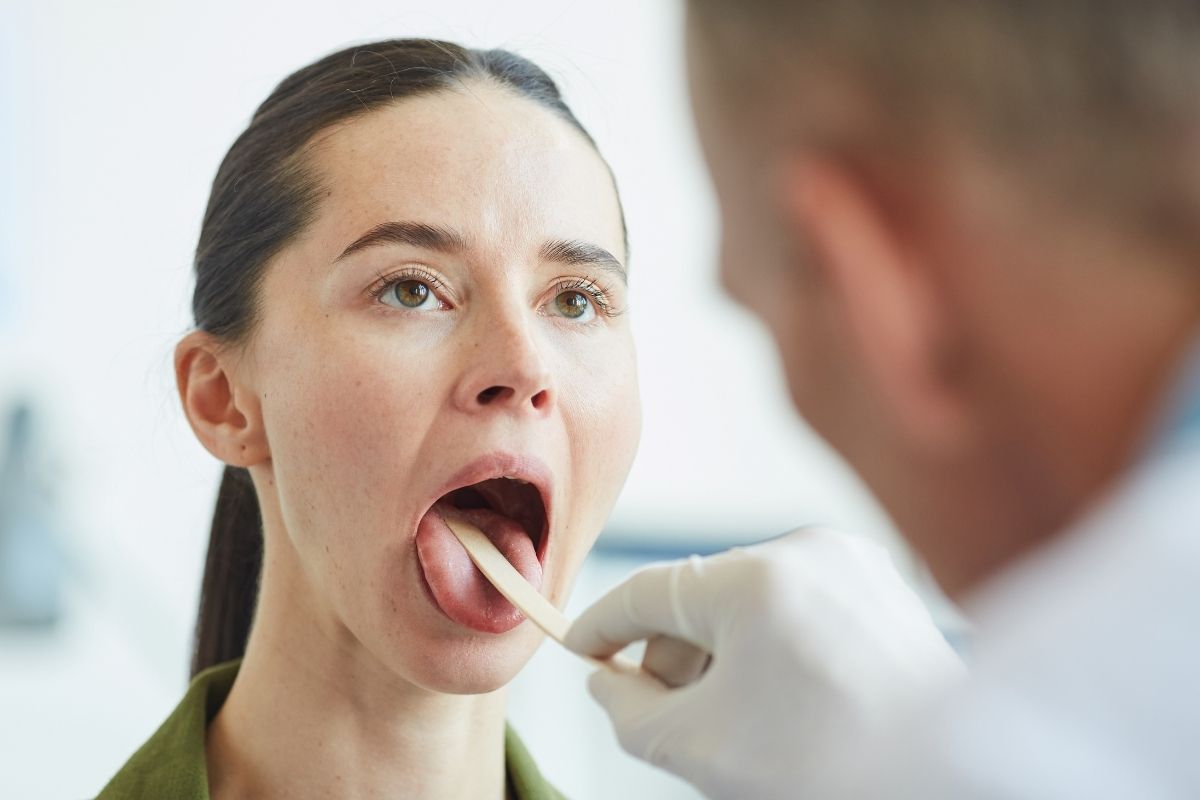
During your consultation at 73 Smiles, we will conduct a thorough exam and may recommend imaging tests to assess the extent of the disorder. Diagnosing TMJ dysfunction typically involves a physical exam where the dentist checks for jaw tenderness, misalignment, and abnormal movement. Imaging tests, such as X-rays or MRIs, may also be used to get a clearer picture of the joint’s condition.
Take Action to Manage TMJ Disorder Early
Temporomandibular Syndrome can significantly impact your quality of life, but early intervention can make all the difference. If you’re experiencing any of the symptoms discussed above, don’t hesitate to consult with a dental specialist at 73 Smiles. Our team can guide you toward the right treatment for long-term comfort and jaw health. Don’t let TMJ discomfort take control—schedule a consultation today.